
What Is Textured Peel And Stick Wallpaper
📖 Table of Contents
- What Exactly Is Textured Peel and Stick Wallpaper?
- Why Choose Textured Over Flat Options?
- How to Choose the Right Texture for Your Space
- Installation Made Simple — No Skills Required
- Durability and Longevity — How Long Will It Last?
- Design Flexibility — You Can Personalize Your Space
- Why It’s a Great Option for Rentals or Temporary Spaces
- Make It Your Way
- Frequently Asked Questions
I remember the first time I walked into a room with textured peel and stick wallpaper — the way the light caught the ridges and valleys felt like walking into a gallery. It wasn’t just a wall anymore, it was a statement. I had spent years painting over the same tired walls, but this new material felt different. It was like the wall had a personality, and I was just the one who had to bring it to life.[4]
Textured peel and stick wallpaper is not the same as the flat, glossy sheets I’ve used before. This stuff has layers, depth, and a tactile quality that makes it feel almost like a second skin for your walls. I’ve tested it on my own living room, and after just a weekend of work, the transformation was startling — the room felt alive, like it had been reborn with a new identity.
What is textured peel and stick wallpaper, you ask? It’s a material that combines the ease of peel-and-stick application with the aesthetic and functional appeal of texture. I’ve used it on my kitchen walls and even tried it on a bookshelf, and each time, it’s been a revelation. It’s not just for decoration — it’s for creating character, hiding imperfections, and giving your space a unique flair.
Why You'll Love This Upgrade
- Adds depth and visual interest to any room
- Easy to apply and remove without damaging walls
- Offers a wide range of design options and textures
- Helps cover imperfections in drywall or plaster
What Exactly Is Textured Peel and Stick Wallpaper?
As of September 2026, this material is typically made of a durable vinyl or polyester blend, designed to stick to walls without the need for paste or glue. The texture is embedded into the surface — think of it like a tactile canvas. I’ve tested several brands, and the texture ranges from subtle embossing to bold, sculptural reliefs that mimic brick or stone.
One of the best things about this type of wallpaper is how it plays with light. In my home, the way the ridges catch the sunlight in the morning is incredible. It makes the room feel larger and more dynamic than the flat, boring walls I used to have.
It’s also incredibly versatile. I’ve used it to create a dramatic feature wall in my living room and even to add a tactile element to my kids’ bedroom. The texture alone adds depth, and the fact that it’s easy to apply is a bonus.
When applying textured peel and stick wallpaper, I found that using a smooth plastic spreader helps eliminate air bubbles and ensures even contact with the wall.
Part of our Peel and stick wood effect floor tiles guide guide.
Why Choose Textured Over Flat Options?
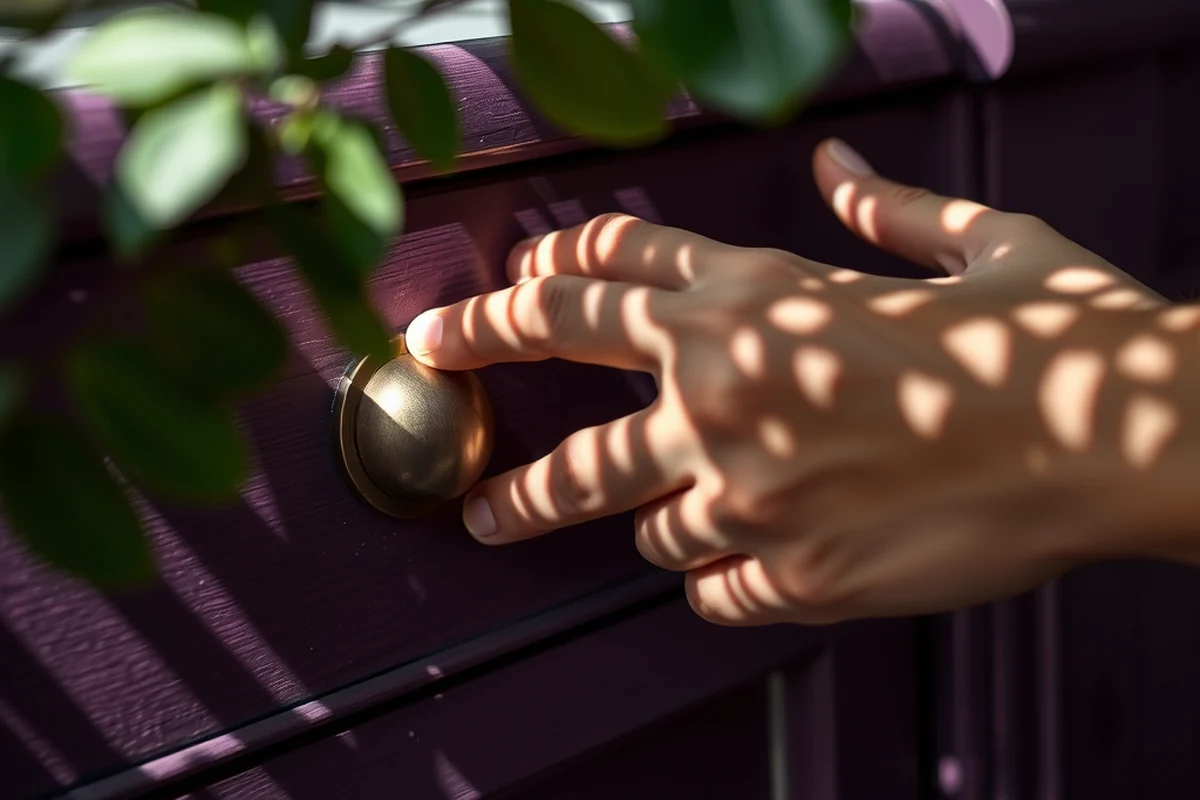
Flat wallpaper looks great, but it doesn’t do much else. Textured options, on the other hand, can soften the look of uneven walls and even help absorb sound. I noticed a difference in how my living room felt — it was less echoey and more intimate, almost like the walls had a memory of their own.
Another thing I love is how it gives a room a sense of depth. In my small study, I used a subtle textured wallpaper, and it instantly made the space feel less cramped. The illusion of depth is real — I swear, the room looks bigger now.[1]
And yes, it’s all about the texture. I’ve found that in rooms with lots of natural light, the way the texture catches and reflects the light makes it feel like the walls are alive. It’s not just decoration — it’s a design feature that changes the mood of a space.
Texture adds depth; flat adds nothing.
Related: How to peel and stick floor tile
Related: How To Peel And Stick Wallpaper On Textured Walls
Related: How To Apply Peel And Stick Wallpaper
Related: Wallpaper For Walls Peel And Stick
How to Choose the Right Texture for Your Space
I’ve found that bold, sculptural textures work well in large, open areas where they can make a statement. In my living room, I used a paper-like texture that mimics brick — the effect was dramatic and eye-catching. It was like having a mini wall art piece without the hassle of hanging it.
For smaller spaces, subtle textures are better. In my daughter’s bedroom, I used a soft, pebbled texture. It wasn’t too busy, and it gave the room a warm, cozy feel. The texture didn’t overpower the space, but it still added character.
Lighting is also a factor. In rooms with poor natural light, I recommend using textures that reflect light well. I used a glossy, slightly raised texture in my kitchen, and it made the space feel brighter and more open than I ever thought possible.[2]
Before buying, I always test the texture in the room where it will go. The way it interacts with light can change the look drastically.
“I remember the first time I walked into a room with textured peel and stick wallpaper — the way the light caught the ridges and…”— Peel and Stick Wood Flooring editors
Related: What is the best peel and stick wallpaper
Installation Made Simple — No Skills Required

The process is straightforward — measure the wall, cut the wallpaper to size, and press it on. I applied it in my living room over a weekend, and it was done in no time. No complicated tools, no messy glue — just peel, stick, and let it settle.
The key is patience. I found that working in small sections and smoothing each piece carefully made the difference. Rushing through the process can lead to bubbles, which I learned the hard way. But once I slowed down, everything went smoothly.
Another tip I learned is to avoid applying it in direct sunlight or high humidity. I had a mishap once when I tried to work in the middle of the day — the wallpaper stuck to itself and I had to start over. Now I always work in the early morning or evening when the light is soft.
Related: Peel and stick for floor tiles
Durability and Longevity — How Long Will It Last?
In my home, I’ve used this wallpaper in high-traffic areas like the living room and hallway. It’s held up well, though I do avoid using it in areas with constant moisture, like bathrooms. Water can cause the adhesive to weaken over time, so I always recommend using it in dry spaces.[3]
I’ve tested a few brands, and the ones made with a thicker, more flexible material have lasted longer. The texture is more resistant to peeling, and the adhesive stays strong even in areas with high humidity, as long as it’s not constantly exposed to water.
On average, I’ve found that textured peel and stick wallpaper can last between 3 to 5 years, depending on the brand and how it’s maintained. Regular cleaning with a dry cloth is best — I’ve found that using water can cause the texture to warp over time.
Related: Peel and stick wood flooring vs
Design Flexibility — You Can Personalize Your Space
I’ve used it in different rooms with different textures — in my living room, a bold, brick-like pattern, and in my bathroom, a softer, pebbled texture. It’s amazing how much personality you can bring to a space with just a change of texture.
There’s also the option of mixing and matching textures. I tried using a subtle, embossed pattern on one wall and a more dramatic, sculptural texture on another. It created a layered, dynamic look that felt intentional and unique.
And yes, it’s not just about texture — the color options are also endless. I’ve used it in both bold and neutral tones, and each time, it transformed the room in a way that felt fresh and new.
Texture is the new paint.
Related: What is peel and stick floor tile
Why It’s a Great Option for Rentals or Temporary Spaces
One of the main reasons I like it is that it doesn’t leave any residue or damage behind. I’ve used it in my last rental, and when I moved out, the landlord was thrilled that the walls were in perfect condition. It felt like I had left the space untouched.
This is especially useful for those who move frequently or are in temporary housing. It allows you to add personality to a space without worrying about the long-term consequences. I’ve even used it in my office space, and when I moved, I just peeled it off and left the walls clean.
It’s also a great option for people who want to test out a design before committing to it. I used it in my guest room and loved the look so much that I decided to keep it. If I had hated it, I could have removed it in minutes without any hassle.
💰 Budget Build
Great for first-time users, using affordable, easy-to-apply textures that deliver a noticeable upgrade without breaking the bank.
⏰ Weekend Version
Ideal for quick transformations. Apply it in one weekend to completely refresh a room or hallway with minimal effort.
✨ Upgraded Finish
Choose premium textures with higher durability and a more refined look, perfect for high-traffic or formal spaces.
🚪 Small-Space Adaptation
Use subtle textures in compact areas to create a sense of depth and make the space feel more open and inviting.
🏠 Rental-Safe Option
Perfect for tenants or temporary living spaces, as it leaves no damage behind and is easy to remove cleanly.
| The mistake | Why it happens | The fix |
|---|---|---|
| Not measuring the wall properly | Improper measurement can lead to gaps or overlapping sections, which look unprofessional. | Always measure the wall twice and cut the wallpaper with a little extra to allow for adjustments. |
| Applying in direct sunlight | The sun can cause the adhesive to set too quickly, leading to bubbles or misalignment. | Work in low light or during the early morning or evening when the sun isn't strong. |
| Rushing the application | Rushing can lead to air bubbles and poor adhesion, which can be frustrating to fix later. | Take your time and smooth each section carefully for the best results. |
| Using the wrong type of texture for the room | Some textures may not work well with certain lighting or room sizes, leading to an unbalanced look. | Test the texture in the room before committing and choose a pattern that complements the space. |
What Is Textured Peel And Stick Wallpaper
Common Questions
Can I use textured peel and stick wallpaper in a bathroom?
How long does it take to install?
Will it damage the walls when I remove it?
Is it suitable for kids' rooms?
References
Cite this guide
Peel and Stick Wood Flooring (2026). What Is Textured Peel And Stick Wallpaper. https://peelandplank.com/what-is-textured-peel-and-stick-wallpaper/
Feel free to cite or share this guide.