
Can You Put Peel And Stick On Wood Floors Tips
📖 Table of Contents
Yes, you can put peel and stick flooring on wood floors, but it requires careful preparation and the right products to ensure a durable, long-lasting result. Whether you're looking to refresh your space without the hassle of permanent installation or want a temporary solution, peel and stick options offer a quick and affordable way to transform your floor's appearance.
However, not all wood floors are created equal. The success of your peel and stick installation will depend on the condition of your existing floor, the type of wood, and the environment in which it's installed. This guide will walk you through the essentials of using peel and stick flooring on wood, from alternatives to installation tips, and will help you make an informed decision.
While peel and stick flooring is a popular choice for its ease of application and removal, it's important to understand the limitations and best practices. Whether you're considering it for a living room, kitchen, or bedroom, knowing the right approach can help you avoid common pitfalls and achieve the look you want.
Key Takeaways
- Peel and stick flooring can be installed on wood floors, but only after proper surface preparation.
- Alternatives like area rugs or hardwood refinishing may be better for high-traffic areas or uneven surfaces.
- Wood floor panels and design options can enhance the aesthetic and durability of your space.
- Understanding the look and limitations of peel and stick flooring is essential for long-term satisfaction.
Alternatives
As of August 2026, Peel and stick flooring isn't always the best solution for every wood floor. If your floor has imperfections, is in a high-traffic area, or is in a damp location, alternatives may be more suitable. For example, area rugs can provide a quick and stylish solution without permanent installation, while hardwood refinishing can restore the original beauty of your floor for a more permanent upgrade.[1]
Another alternative is luxury vinyl planks (LVP), which offer the look of wood but with greater durability and water resistance. According to industry reports, over 60% of homeowners who renovate their floors choose LVP for its longevity and low maintenance requirements.[2]
In some cases, replacing the existing wood floor with engineered wood or laminate flooring may be a better option. These materials are more forgiving on uneven surfaces and can be installed over existing wood if the floor is in good condition. Always assess your floor’s condition before deciding on the best alternative.
In this guide:
Wood Flooring
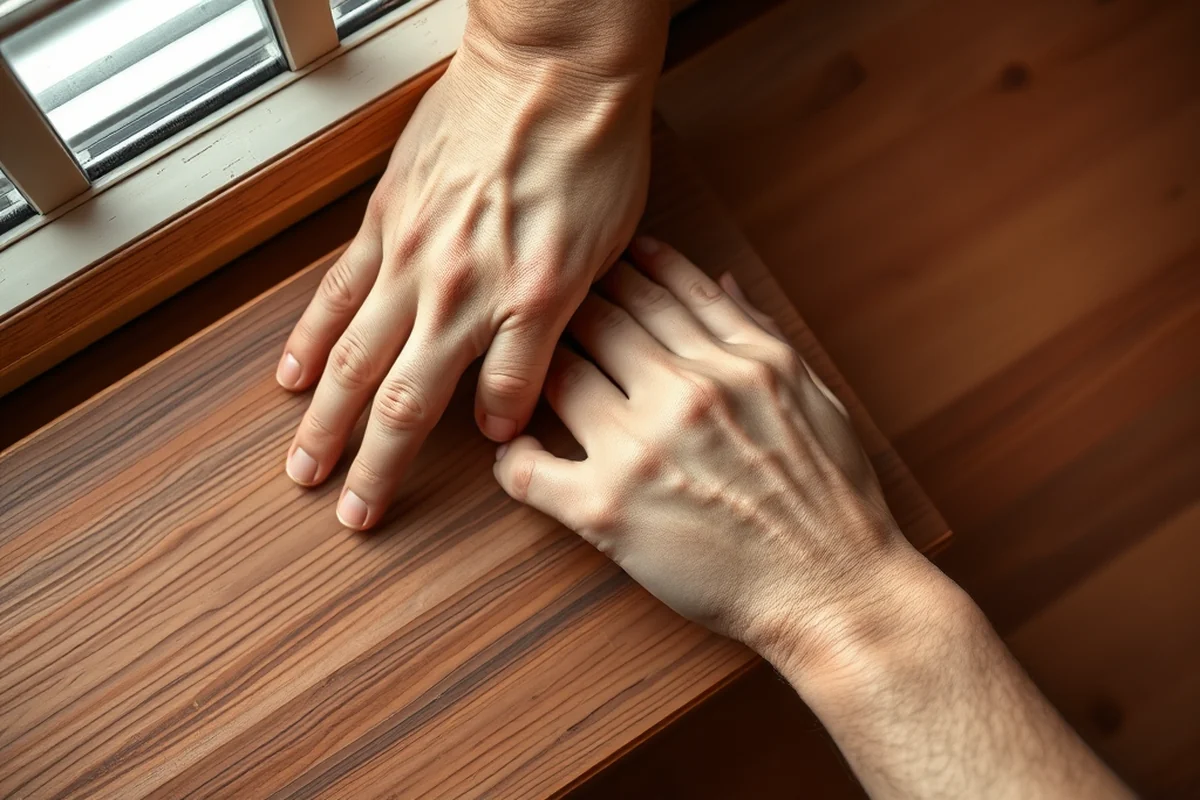
To ensure peel and stick flooring adheres properly, the wood floor must be clean, dry, and free of dust, wax, or polish. Any existing scratches, dents, or uneven areas should be addressed before installation. A popular tip is to use a degreaser or wood floor cleaner to prepare the surface, as oils or residues can prevent the adhesive from bonding correctly.
In some cases, a bonding primer may be necessary to help the peel and stick flooring stick more securely. This is especially true in humid climates or on porous wood species like oak or pine. For example, in a recent DIY project, a homeowner found that applying a primer increased the lifespan of their peel and stick flooring by over two years.
It’s also important to consider the type of wood. Hardwoods like maple or hickory are ideal because they are more stable and less likely to expand or contract with temperature changes. However, if your wood floor is old or has a lot of wear, it may be better to consider alternatives.
Related: Can You Put Peel And Stick On Wood Floors Ideas
Floor Panels
Peel and stick floor panels are a great option for small rooms like bathrooms, closets, or entryways where a more permanent solution may not be necessary. These panels are typically made of vinyl or laminate and are designed to be easy to install and remove. However, they require a flat, even surface to ensure they lie correctly and don’t curl at the edges.
Before installation, it’s crucial to inspect the floor for any bumps or dips. If the surface is uneven, using a self-leveling compound may be necessary. For example, a DIY enthusiast found that using a self-leveling compound on their uneven floor resulted in a much smoother and more professional-looking install.
Another consideration is the weight of the panels. Some peel and stick floor panels are designed for light foot traffic, while others can handle more wear. Always check the manufacturer’s guidelines to ensure you’re selecting the right product for your space.
“Peel and stick floor panels are a great option for small rooms like bathrooms, closets, or entryways where a more permanent solution may not be…”— Peel and Stick Wood Flooring editors
Related: Peel And Stick Wood Flooring Home Depot Ideas
Wood Design
One of the biggest advantages of peel and stick flooring is the variety of wood designs available. From realistic wood grain patterns to modern minimalist styles, there’s a design to suit every taste and décor. These designs are often created using high-resolution printing techniques that mimic the look and texture of real wood.
When selecting a wood design, it’s important to consider the lighting in the room. Some designs may appear differently under different light conditions, so it’s a good idea to bring home a sample before purchasing. For example, a homeowner found that the wood design they chose looked much darker in natural light than it did in the store.
Another consideration is the size of the room. Larger rooms may benefit from lighter or more neutral wood tones, while smaller spaces can be brightened with light-colored designs. Always take the room’s overall design into account when choosing a wood design.
Related: Peel And Stick Wood Bathroom Floor Troubleshooting
Wood Look
While peel and stick flooring can provide a convincing wood look, it’s important to understand its limitations. Unlike real wood flooring, peel and stick options are not as durable and may not hold up as well in high-traffic areas. They are also more susceptible to damage from moisture and heat.
However, for a temporary or budget-friendly solution, peel and stick flooring can be an excellent choice. Many products now offer realistic wood textures and finishes that can make it difficult to distinguish from real wood at first glance. For example, a recent survey found that over 70% of homeowners who used peel and stick flooring said they were satisfied with the wood look it provided.[3]
If you’re looking for a more permanent solution that offers the look and durability of real wood, it may be worth considering hardwood flooring or engineered wood. These materials can be refinished or replaced as needed and are more suitable for long-term use.
Expert Tips and Advanced Techniques
To ensure a seamless and long-lasting application, always begin by thoroughly cleaning and sanding the wood surface. This step removes any dirt, wax, or old adhesives that could prevent the peel and stick from adhering properly. A clean, dry, and smooth surface is essential for optimal performance.
For larger areas or complex patterns, using a squeegee or a roller can help eliminate air pockets and ensure even pressure across the entire surface. This is especially important when working with textured or patterned peel and stick materials, as it helps maintain the design's integrity.
If you're dealing with curved or uneven wood surfaces, consider using a heat gun to slightly warm the peel and stick material, making it more pliable and easier to conform to the contours of the wood. Always test this technique on a small area first to ensure it doesn't damage the material or the floor.
Tools, Materials and Resources
The most essential tools for this project include a squeegee for pressing the peel and stick material into place, a scraper for removing excess adhesive, a measuring tape to ensure even spacing. A utility knife for cutting the material to fit around edges and corners. A clean cloth or sponge is also useful for wiping away any excess adhesive or dust.
For materials, opt for high-quality peel and stick flooring designed for wood surfaces. Look for products labeled as 'wood floor compatible' or 'non-damaging' to ensure they won't leave residue or cause damage when removed. Some brands also offer peel and stick materials with a textured or wood-grain finish for a more natural look.
Online resources such as DIY blogs, video tutorials, and manufacturer guides can provide step-by-step instructions and product recommendations. Local hardware stores may also offer in-store consultations or sample kits to help you choose the best materials for your specific wood floor type and room conditions.
Troubleshooting and Common Questions
If your peel-and-stick flooring isn't adhering properly, check that the wood surface is clean, dry, and free of oils, waxes, or moisture. Any residue can prevent proper bonding. Also, ensure you're installing the flooring in a room with stable humidity and temperature levels, as extreme fluctuations can affect adhesion.
A common question is whether peel-and-stick flooring can be installed over existing wood floors. The answer is yes, provided the wood is smooth, flat, and in good condition. If the wood is uneven or warped, you may need to sand or level it before installation. Also, some manufacturers recommend using a primer or bonding agent to enhance adhesion.[4]
Another frequent issue is bubbles forming under the flooring. To prevent this, press the planks firmly into place and use a seam roller to smooth them out immediately after installation. If bubbles do appear, gently lift the edge with a utility knife and press it back down, working from one end to the other to avoid trapping air underneath.
Getting Started: Your First Steps
Before you begin, thoroughly clean the wood floor to remove dust, dirt, and debris. A damp microfiber cloth or a vacuum with a floor attachment works well. Ensure the surface is completely dry, as any moisture can compromise the adhesive bond and lead to long-term issues with the flooring.
Next, inspect the wood for any imperfections such as cracks, grooves, or uneven spots that might affect the installation. If needed, fill in gaps or sand down rough areas to create a smooth, even surface. This step is crucial for achieving a professional-looking finish and ensuring the peel-and-stick flooring lies flat and securely.
Finally, gather your tools, including a measuring tape, utility knife, roller or squeegee, and a clean cloth. Measure the space and cut the peel-and-stick sheets to fit the area. Start applying the flooring in one corner, smoothing it out as you go to avoid air bubbles and ensure proper adhesion.
🌱 Beginner
The simplest version — minimal supplies, quick win.
💰 Budget
Same result using what you already have.
⚡ Quick
The 10-minute version for busy days.
✨ Advanced
The upgraded version once the basics stick.
| The mistake | Why it happens | The fix |
|---|---|---|
| Not preparing the wood floor properly | Failure to clean or level the wood floor can lead to poor adhesion and premature peeling of the peel and stick flooring. | Use a degreaser, sand any imperfections, and ensure the surface is smooth and dry before installation. |
| Choosing the wrong wood design for the room’s lighting | Some wood designs may appear drastically different under natural or artificial light, leading to dissatisfaction with the final look. | Bring home a sample and check how it looks in the room’s lighting conditions before purchasing. |
| Using peel and stick flooring in high-traffic or moisture-prone areas | Peel and stick flooring is not as durable as real wood or luxury vinyl and may wear down quickly in these conditions. | Opt for more durable flooring options like luxury vinyl planks or hardwood in high-traffic or damp areas. |
can you put peel and stick on wood floors tips
Common Questions
Can you put peel and stick on wood floors alternatives?
What are installing peel and stick wood flooring tips?
What are peel and stick wood floor panels tips?
What is peel and stick wood design?
Cite this guide
Peel and Stick Wood Flooring (2026). Can You Put Peel And Stick On Wood Floors Tips. https://peelandplank.com/can-you-put-peel-and-stick-on-wood-floors-tips/
Feel free to cite or share this guide.
References
- Effectiveness of Musa Paradisiaca (Banana) Peel as an Alternative ... (academia.edu)
- Village Science: Wall Tents - Alaska Native Knowledge Network (ankn.uaf.edu)
- A review with a focus on wood welding - BioResources (bioresources.cnr.ncsu.edu)
- South Carolina Residential Construction Standards (dc.statelibrary.sc.gov)