
Installing Peel And Stick Flooring On Wood Subfloor Benefits
📖 Table of Contents
Installing peel and stick flooring on a wood subfloor offers a range of benefits, including ease of installation, durability, and a seamless, clean aesthetic that mimics natural wood. These floors are ideal for DIYers and furniture enthusiasts looking to upgrade their spaces without the hassle of complex installation or expensive materials.[5]
One of the key advantages of using peel and stick flooring on wood subfloors is the minimal preparation required, which makes it a popular choice for both residential and commercial spaces. The material is designed to adhere to flat, smooth surfaces, and wood subfloors, when properly conditioned, provide an excellent base for this type of flooring.
Also, peel and stick flooring is a cost-effective and time-efficient solution that offers flexibility in design and application. Whether you're updating a kitchen, bathroom, or living room, these flooring options provide a quick way to enhance your space with minimal disruption and long-term value.
Key Takeaways
- Peel and stick flooring on wood subfloors is easy to install and ideal for DIY projects.
- Proper subfloor preparation is essential for a secure and long-lasting installation.
- Common issues like bubbles, warping, and adhesion problems can be resolved with troubleshooting and proper technique.
- Choosing the right type of peel and stick flooring can enhance both the look and functionality of your space.
Troubleshooting
As of August 2026, one of the most common issues when installing peel and stick flooring on wood subfloors is the appearance of bubbles or peeling. This typically occurs due to improper surface preparation or moisture trapped beneath the adhesive. Before installation, it's crucial to ensure that the wood subfloor is clean, dry, and free of any contaminants such as dust, dirt, or old adhesives.[1]
Moisture is a major culprit in flooring failures, as it can cause the adhesive to lose its grip or the flooring material to warp. A simple moisture test using a plastic sheet can help identify if the subfloor is too damp. If moisture is present, additional steps such as using a dehumidifier or ensuring proper ventilation may be necessary before proceeding.
If bubbles or peeling do occur after installation, the affected sections can often be lifted and replaced. However, this requires careful handling to avoid damaging the surrounding area. In severe cases, it may be necessary to remove the entire section, clean the subfloor, and reapply the flooring after ensuring the surface is fully dry and stable.
In this guide:
- Peel and stick wood look step by step
- Peel and stick wood look guide
- Peel and stick wood bathroom floor troubleshooting
- Peel and stick plank flooring alternatives
- Peel and stick kitchen flooring benefits
- Peel and stick kitchen flooring step by step
- Peel and stick kitchen flooring troubleshooting
- Peel and stick kitchen flooring vs
- Peel and stick wood flooring troubleshooting
In this guide:
Stick Kitchen
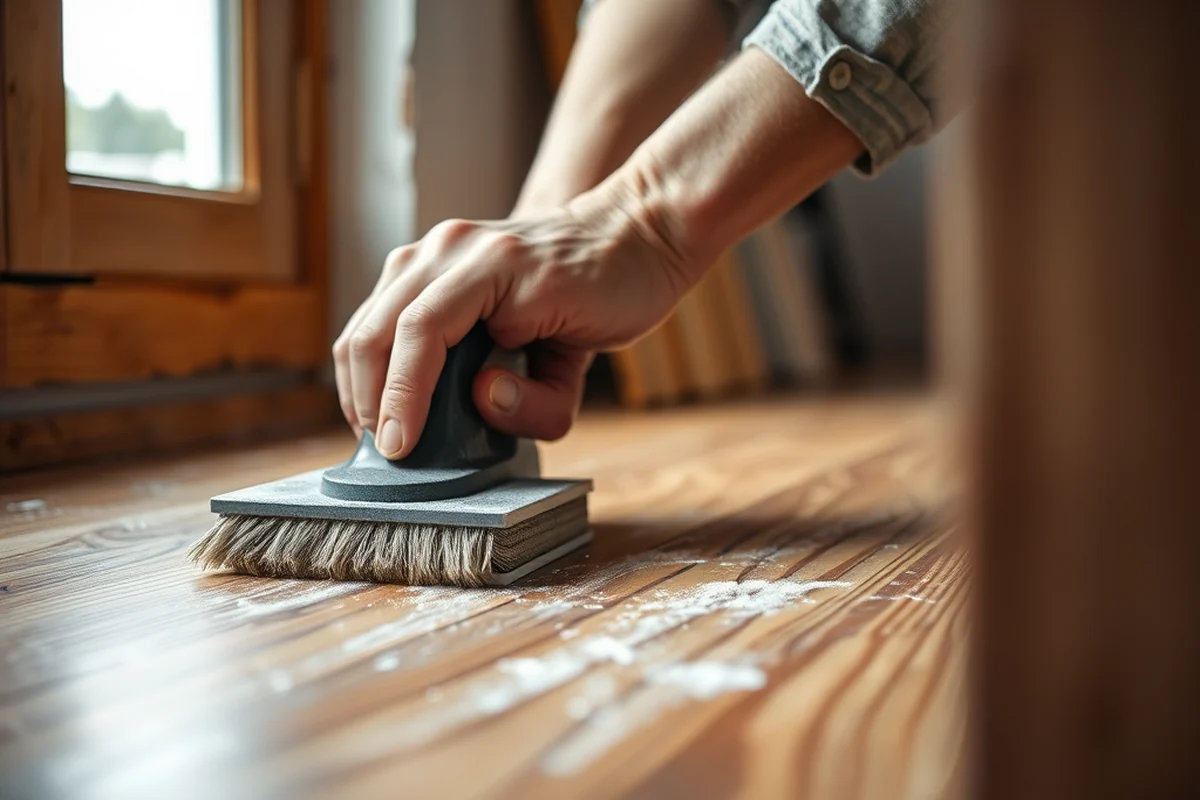
Kitchens are high-traffic areas with a higher risk of moisture exposure, making them a challenging environment for peel and stick flooring. However, with the right approach, these floors can be a durable and stylish option. The key to success lies in ensuring the wood subfloor is perfectly clean, level, and dry before installation.
One of the most effective ways to install peel and stick flooring in a kitchen is to use a step-by-step process that includes cleaning the subfloor with a degreaser, allowing it to dry completely. Then applying the flooring in a controlled manner. It's also important to avoid using the area immediately after installation to allow the adhesive to fully cure.
In one specific example, a homeowner in Seattle successfully installed peel and stick flooring in their kitchen by following these steps and ensuring the subfloor was properly conditioned. The result was a seamless, water-resistant surface that has remained intact for over five years, even with frequent use and exposure to spills and steam.
Related: Peel And Stick Wood Look Flooring Troubleshooting
Related: Peel And Stick Wood Planks Under Flooring Checklist
Related: Cheap Peel And Stick Wood Look Flooring
Related: Cheap Peel And Stick Wood Flooring B&Q
Related: Top Peel And Stick Wood Flooring B&Q
Plank Flooring
Vinyl wood plank flooring in peel and stick form is a popular choice for its realistic appearance and ease of installation. However, the success of this type of flooring on a wood subfloor depends on careful attention to detail during the installation process. Ensuring that the subfloor is flat, dry, and free of debris is the first and most critical step.
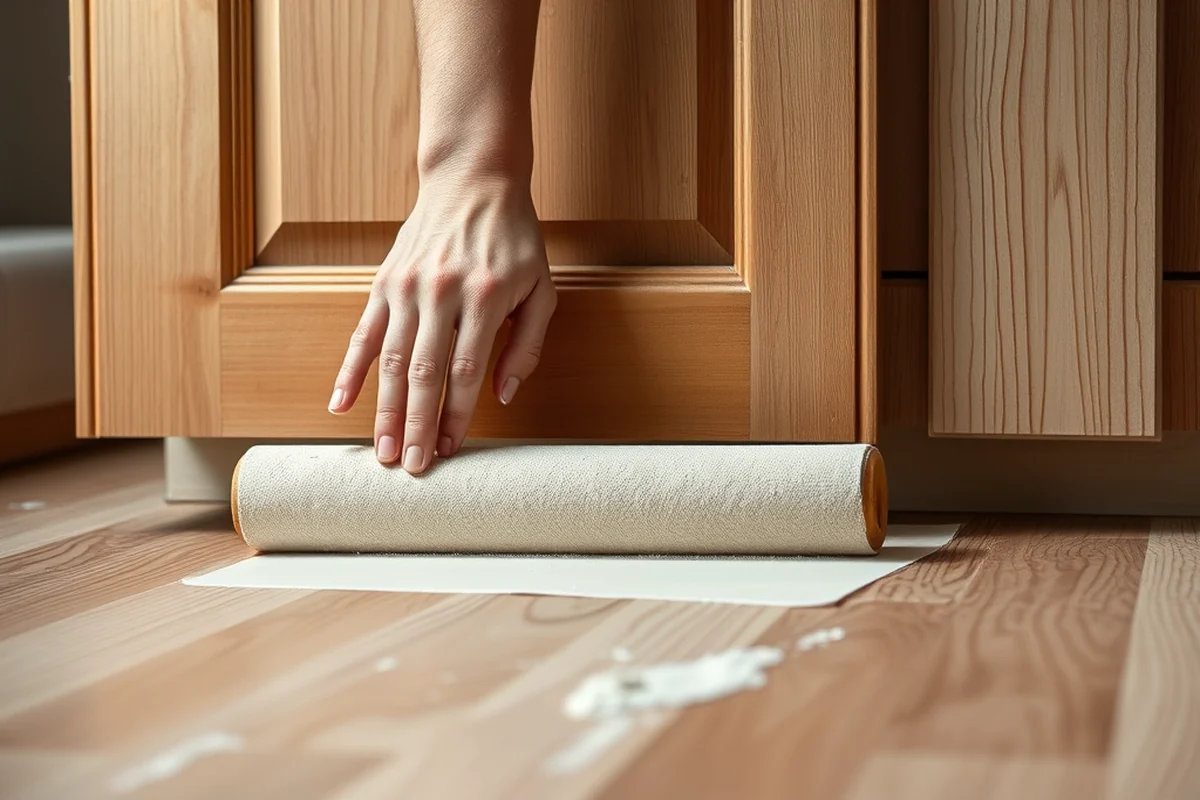
One of the common mistakes when installing vinyl planks is not applying enough pressure during the installation, which can result in gaps or uneven surfaces. To avoid this, using a roller or a heavy object to press the planks into place can help ensure a tight fit and a smooth finish.
A practical example of successful installation involves a DIYer who installed vinyl plank flooring in their living room. By ensuring the subfloor was properly prepared and using a roller to press each plank into place, they achieved a seamless, professional-looking result that has held up well over time.
“Vinyl wood plank flooring in peel and stick form is a popular choice for its realistic appearance and ease of installation.”— Peel and Stick Wood Flooring editors
Wood Look
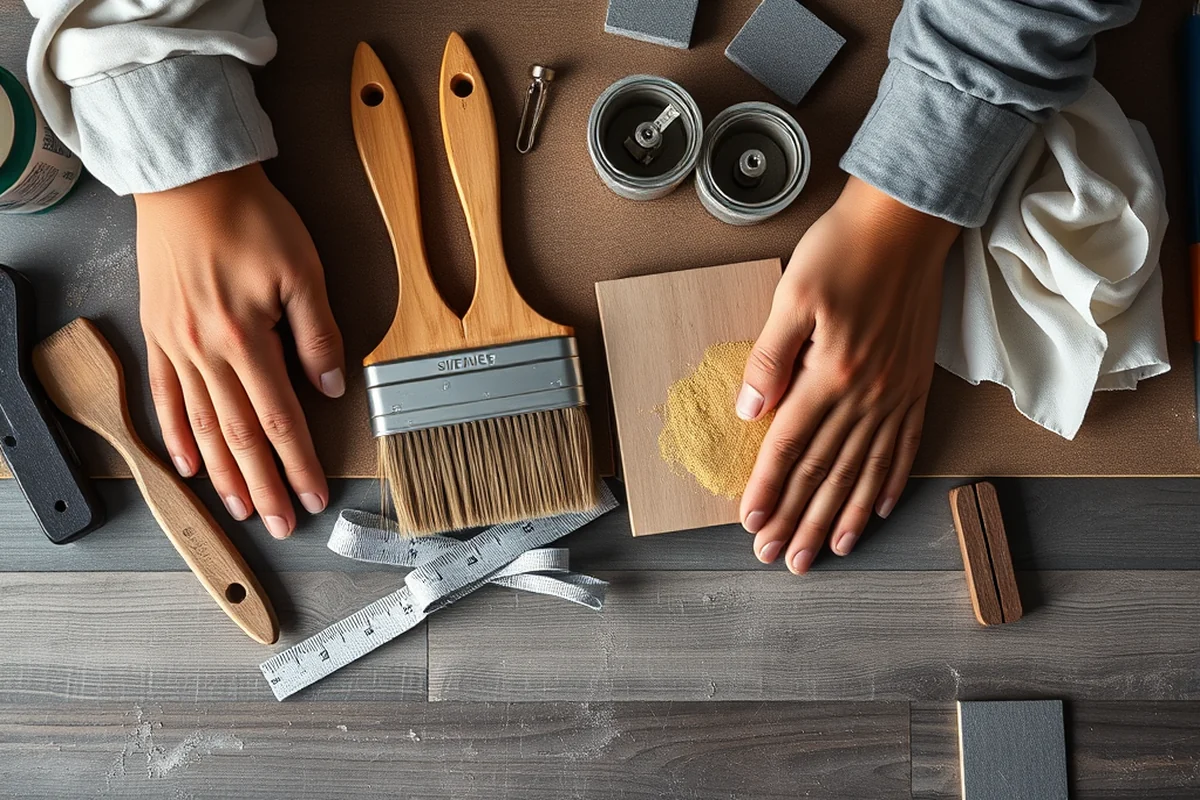
One of the main attractions of peel and stick flooring is its ability to mimic the look of real wood, making it a popular choice for those looking to achieve a natural aesthetic without the cost or maintenance of traditional wood floors. However, the success of this look depends on the quality of the flooring material and the precision of the installation.
To ensure a seamless and realistic wood look, it's important to choose a peel and stick flooring product that closely resembles the grain and texture of natural wood. Also, proper alignment of the planks or tiles is crucial to avoid visible seams or inconsistencies in the pattern.
A specific example of a successful wood look installation involves a homeowner who used a high-quality peel and stick vinyl flooring with a realistic wood grain pattern. By taking the time to align each piece carefully and ensuring even pressure during installation, they achieved a natural wood look that has remained consistent and beautiful over time.
Not Working
If peel and stick flooring on a wood subfloor is not working as expected, it's essential to identify the root cause of the issue. Common problems include poor adhesion, peeling, or bubbling, which can be attributed to a variety of factors such as insufficient surface preparation, incompatible materials, or exposure to moisture.
One of the most common reasons peel and stick flooring fails is due to inadequate surface preparation. A wood subfloor that is not clean, dry, or flat can lead to poor adhesion and long-term durability issues. In such cases, it's recommended to clean the subfloor thoroughly, ensure it is dry, and apply a suitable primer before installation.[2]
In some cases, the use of incompatible materials can also contribute to the failure of peel and stick flooring. For example, using an adhesive that is not compatible with the flooring material can lead to premature peeling or lifting. To avoid this, it's important to consult the manufacturer's guidelines and use the recommended products for installation.[3]
Problems
Despite their many advantages, peel and stick flooring on wood subfloors can sometimes lead to problems such as warping, peeling, or poor adhesion. These issues are often the result of improper installation, exposure to moisture, or inadequate surface preparation.
Warping is one of the most common problems, especially in areas with high humidity or fluctuating temperatures. This can cause the flooring to curl or lift, leading to an uneven appearance and potential damage to the subfloor. To prevent this, it's important to ensure that the subfloor is stable and that the installation is carried out in a controlled environment.
In one specific case, a homeowner in Miami experienced warping issues with their peel and stick flooring due to high humidity levels. By addressing the issue with a dehumidifier and ensuring the subfloor was properly conditioned, they were able to mitigate the problem and extend the life of the flooring.
Comparisons
When compared to traditional hardwood flooring, peel and stick options are significantly easier to install, requiring no nails, glue, or specialized tools. This makes them ideal for DIYers or those looking to avoid the mess and complexity of conventional flooring methods.
In contrast to laminate or vinyl flooring, peel and stick variants offer a more seamless look and can be easily removed or replaced without damaging the wood subfloor underneath. This makes them a great option for renters or those who want to update their space frequently.
Compared to adhesive-backed options, peel and stick flooring provides a more secure bond and is less prone to lifting or warping over time. It's also more forgiving on uneven wood surfaces, making it a versatile choice for a variety of wood subfloor types.
Types Peel
The most common types include vinyl, laminate, and luxury vinyl tile (LVT) options. Vinyl peel and stick flooring is known for its durability and water resistance, making it perfect for kitchens and bathrooms.
Laminate peel and stick variants offer a more realistic wood or stone look, ideal for living rooms and bedrooms. They are also easy to clean and maintain, adding to their appeal for busy households.
Luxury vinyl tile (LVT) provides the look and feel of real tile without the maintenance. It's a great choice for high-traffic areas and can mimic the appearance of wood, stone, or concrete with remarkable accuracy.
Wood Like
Many peel and stick products are designed to resemble real wood grain, texture, and color, providing a high-quality appearance without the cost or maintenance of solid or engineered wood flooring.
These wood-like options are available in a wide range of finishes, from rustic and distressed to modern and sleek, making it easy to match any interior design style.
Because they are applied directly over the wood subfloor, these peel and stick options preserve the natural character of the underlying wood while adding a fresh, updated look to the space.
Wood Effect
For furniture applications, wood-effect peel and stick flooring can be used as a decorative and functional surface for custom-built pieces, such as tables, shelves, and cabinetry. It adds a polished, finished look while offering protection against moisture and wear. These flooring options are also compatible with a wide range of subfloors, including wood, concrete, and even existing vinyl or tile surfaces, provided they are clean, dry, and smooth. This adaptability makes wood-effect peel and stick flooring an excellent choice for both residential and commercial projects, ensuring a long-lasting, beautiful finish with minimal effort.
Troubleshooting and Common Questions
One of the most common issues when installing peel and stick flooring on a wood subfloor is the appearance of bubbles or air pockets. This typically occurs due to improper adhesion or moisture trapped beneath the flooring. To resolve this, ensure the subfloor is completely dry, clean, and free of dust before installation, and use a roller to press the flooring firmly into place.
Peeling or lifting at the edges can be caused by improper surface preparation or temperature fluctuations. Make sure the room is at a stable temperature and humidity level before installation. If peeling occurs after installation, gently lift the affected area and reapply adhesive or use a seam filler to secure it back in place.
Uneven subfloors can lead to visible gaps or lippage between planks. It's essential to level the subfloor using self-leveling compound or a thin layer of wood filler before applying the peel and stick flooring. Always check the subfloor's flatness with a level and make necessary adjustments to ensure a smooth, even finish.
Getting Started: Your First Steps
The first step in installing peel and stick flooring on a wood subfloor is to thoroughly clean and prepare the surface. Remove any dirt, dust, or debris using a vacuum or broom, and wipe the subfloor with a damp mop to ensure it's clean and dry. A clean subfloor is crucial for proper adhesion and long-term durability.
Next, check the subfloor for any imperfections such as cracks, grooves, or uneven spots. These can cause the flooring to lift or warp over time. Use wood filler or a self-leveling compound to smooth out the surface, and allow it to cure completely before proceeding. This step ensures a stable and even base for your flooring.
Once the subfloor is ready, measure the area to be covered and lay out the peel and stick flooring in a dry fit to ensure proper alignment and pattern. This allows you to make any necessary adjustments before applying adhesive. Once satisfied, start peeling the backing off the flooring and pressing it firmly onto the subfloor, working from one side of the room to the other.
🌱 Beginner
The simplest version — minimal supplies, quick win.
💰 Budget
Same result using what you already have.
⚡ Quick
The 10-minute version for busy days.
✨ Advanced
The upgraded version once the basics stick.
| The mistake | Why it happens | The fix |
|---|---|---|
| Skipping the subfloor preparation step | Skipping subfloor preparation can lead to poor adhesion and long-term issues such as warping or peeling. | Always clean, dry, and level the subfloor before installation to ensure a secure and long-lasting bond. |
| Using the floor immediately after installation | Using the floor immediately after installation can prevent the adhesive from fully curing, leading to lifting or peeling. | Allow the floor to cure for at least 24–48 hours before walking on it or placing furniture. |
| Ignoring moisture levels | Ignoring moisture levels can lead to mold, warping, and adhesion failure, especially in high-humidity areas like bathrooms. | Test the subfloor for moisture using a plastic sheet and address any issues with a dehumidifier or ventilation before installation. |
installing peel and stick flooring on wood subfloor benefits
Common Questions
How do you troubleshoot peel and stick wood bathroom floor issues?
What are the steps for installing peel and stick kitchen flooring?
What is a peel and stick vinyl wood plank flooring checklist?
How do you apply peel and stick wood look flooring step by step?
Cite this guide
Peel and Stick Wood Flooring (2026). Installing Peel And Stick Flooring On Wood Subfloor Benefits. https://peelandplank.com/installing-peel-and-stick-flooring-on-wood-subfloor-benefits/[4]
Feel free to cite or share this guide.
References
- Experimental Investigation of Material Flood Damage to Support ... (digitalcommons.latech.edu)
- new projects - City of Fort Myers (fortmyers.gov)
- BUILDING AND SITE GUIDELINES | Mass.gov (mass.gov)
- Clear VCT Floor Adhesive - Needham Town Hall (needhamma.gov)
- Moisture Control Guidance for Building Design, Construction and ... (nepis.epa.gov)