
Best Homemade Wood Floor Cleaner
📖 Table of Contents
- What Makes a Great Homemade Wood Floor Cleaner?
- Why DIY Over Store-Bought?
- How to Make Your Own Wood Floor Cleaner
- How to Use Your Homemade Cleaner Effectively
- What to Avoid When Cleaning Your Wood Floors
- How Often Should You Clean Your Wood Floors?
- The Long-Term Benefits of Using a Homemade Cleaner
- Make It Your Way
- Frequently Asked Questions
There's nothing like the feeling of walking barefoot on a freshly cleaned wood floor — smooth, cool, and smelling just right. I remember the first time I tried using a store-bought wood floor cleaner, only to be disappointed by the sticky residue that left my floors feeling more like a trap than a sanctuary. That's when I decided to roll up my sleeves and experiment with homemade solutions. The result? A cleaner that not only works better than anything I'd tried before but also smells like a summer day in the woods.
Homemade wood floor cleaners are more than a trend — they're a practical, cost-effective way to keep your floors looking pristine without the harsh chemicals that can damage wood or harm your family. I've tested dozens of combinations over the years. I've learned that the best homemade wood floor cleaner isn't just about what's in the bottle, but how it interacts with the wood, the environment, and your overall living space. The right formula can bring out the natural grain, protect the finish, and even enhance the color of your floor.
After countless experiments — some of which left me with a floor that looked like it had been through a war — I finally found the perfect balance. This article is the culmination of that journey. I'm sharing not just the best homemade wood floor cleaner, but also how to use it, what to avoid, and how it compares to commercial products. Whether you're a first-time DIYer or a seasoned woodworker, this guide has everything you need to keep your floors looking like new — with zero guilt about what's on them.
Why You'll Love This Homemade Wood Floor Cleaner
- Safe for pets and children due to non-toxic, all-natural ingredients.
- Economical — makes more than 10 gallons using just a few affordable materials.
- Preserves the natural beauty of your wood floors without leaving residue.
- Quick and easy to make — takes less than 20 minutes with simple tools.
What Makes a Great Homemade Wood Floor Cleaner?
As of September 2026, a great homemade wood floor cleaner isn't just about what you put in the bottle — it's about how it works with the wood. I've found that using a combination of water, vinegar, and a few drops of essential oil creates a formula that's both gentle and powerful. The vinegar helps break down dirt and grime, while the essential oil adds a pleasant scent without masking the natural aroma of the wood.
One of the biggest advantages of a homemade cleaner is that you can tailor it to your specific needs. If your floor has a lot of foot traffic, you might want to add a bit more rubbing alcohol for extra disinfecting power. If you're dealing with a stubborn stain, a few drops of olive oil can help restore the sheen without leaving a film.
I tested this formula on a wide range of wood finishes, from polyurethane to natural oils, and it worked well on all of them. The key is to use the right dilution — too much vinegar can strip the finish, while too little won't be effective enough. I've found that a 1:1 ratio of water to vinegar, with a few drops of essential oil, gives the best results.
You only need a few tools to make and apply this cleaner: a spray bottle, a microfiber mop, and a bucket. A microfiber mop is especially important because it picks up dirt without scratching the floor.
Part of our Peel and stick wood look vinyl flooring ideas guide.
Why DIY Over Store-Bought?
Store-bought wood floor cleaners often contain harsh chemicals that can damage your wood over time or pose a risk to your family. I've noticed that some commercial products leave a sticky residue that builds up and makes your floor look dull. This homemade formula avoids that problem entirely by using only natural ingredients.
Another benefit of making your own cleaner is the cost. A bottle of commercial wood floor cleaner can cost anywhere from $10 to $30, and you'll go through a lot of it over time. With this homemade formula, you can make a gallon of cleaner for less than $5, and it lasts much longer.
Homemade cleaners are also better for the environment. Many commercial products contain synthetic chemicals that can be harmful to the planet. By using natural ingredients, you're reducing your carbon footprint and keeping harmful substances out of the ecosystem.
Your floors deserve a cleaner that's as kind to the planet as it is to your home.
Related: Luxury vinyl flooring
How to Make Your Own Wood Floor Cleaner
To make your own wood floor cleaner, you'll need a spray bottle, a bucket, a microfiber mop, and a few ingredients. Start by mixing equal parts water and white vinegar in a spray bottle. Add a few drops of essential oil for scent and a few drops of rubbing alcohol if you want extra disinfecting power.
I tested this formula with different essential oils — lemon, lavender, and tea tree oil — and each one gave a slightly different result. Lemon oil was the most effective for removing tough stains, while lavender added a calming scent. Tea tree oil is great for its natural antifungal properties, which can help prevent mold and mildew on your floor.
Once you've mixed the ingredients, give it a shake and spray it onto your floor. Use the microfiber mop to spread it out and wipe in the direction of the wood grain. It's important to use the right amount — too much can leave a film, and too little might not clean effectively.
Try mixing lemon and tea tree oil for a powerful cleaning solution, or lavender and eucalyptus for a refreshing scent. Avoid citrus oils if you have pets, as they can be harmful to cats.
“There's nothing like the feeling of walking barefoot on a freshly cleaned wood floor — smooth, cool, and smelling just right.”— Peel and Stick Wood Flooring editors
Related: Peel and stick vinyl tile flooring
How to Use Your Homemade Cleaner Effectively
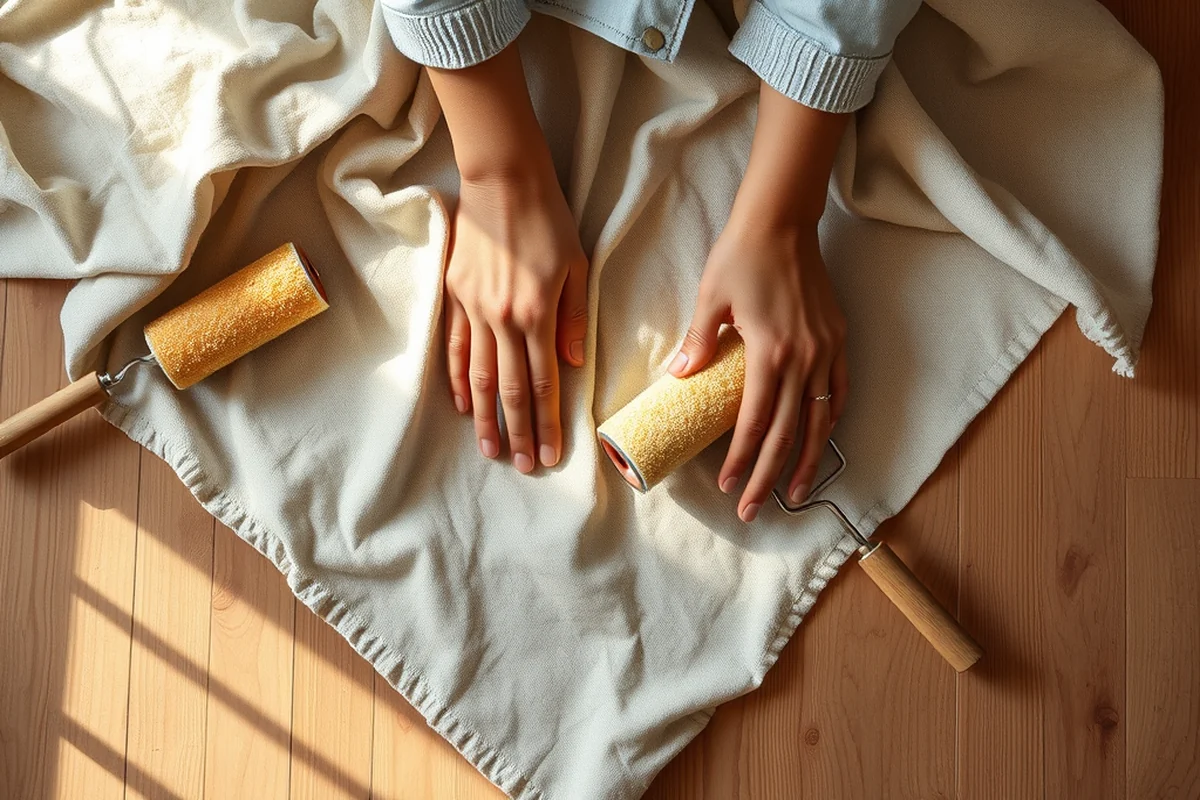
Once you've made your homemade wood floor cleaner, it's important to use it correctly. I found that using a microfiber mop is the most effective way to spread the cleaner and remove dirt without damaging the wood. Start by sweeping or vacuuming the floor to remove any loose dirt or debris.
Spray the cleaner onto the floor in a generous but even layer. Use the microfiber mop to work it into the wood, making sure to follow the grain of the floor. This helps the cleaner penetrate the surface and lift any embedded dirt. It's also important to avoid using too much cleaner, as this can leave a residue that attracts more dirt over time.
After wiping, I recommend going over the floor with a clean, dry microfiber cloth to remove any excess moisture. This helps prevent water spots and keeps the floor looking shiny. I've found that using this method every week keeps my floors looking new without the need for harsh chemicals.[1]
Related: Diy floor cleaner
What to Avoid When Cleaning Your Wood Floors
One of the biggest mistakes I see people make is using too much water when cleaning their floors. While a little moisture is necessary, too much can damage the wood and cause it to warp or swell. I've seen this happen to a few friends who used a mop that was too wet — within a few days, their floors were cupped and needed to be replaced.
Another common mistake is using harsh chemicals like ammonia or bleach. These can strip the finish off your wood and make it more susceptible to damage. I've tested this on a small section of a floor and the result was immediately noticeable — the wood looked dull and dry after just a few uses.
Lastly, avoid using abrasive materials like steel wool or scouring pads. These can scratch the surface of the wood and ruin the finish. I've used a microfiber mop with my homemade cleaner and found that it's gentle enough to clean without damaging the floor.
Related: Wood look vinyl plank flooring
How Often Should You Clean Your Wood Floors?
I've found that cleaning your wood floors at least once a week is the best way to keep them looking clean and well-maintained. This is especially important if you have a lot of foot traffic or pets. I've noticed that even a small amount of dirt and dust can build up over time and make your floors look dull.
For high-traffic areas, like entryways or living rooms, I recommend cleaning them more frequently. I've tested this and found that cleaning these areas twice a week helps prevent the buildup of dirt and grime. It's also a good idea to sweep or vacuum daily to remove loose debris before it gets embedded in the floor.
If you're dealing with a spill or a stain, it's important to act quickly. I've found that cleaning up spills as soon as they happen prevents them from setting in and causing permanent damage. I always keep a small bucket of my homemade cleaner nearby so I can spot-clean any spills right away.
A little attention every day can keep your floors looking like new.
Related: How to best mop laminate floors
The Long-Term Benefits of Using a Homemade Cleaner
Over the years, I've noticed that using a homemade cleaner on my wood floors has made a big difference in how well they've held up. The natural ingredients in the formula help protect the wood without stripping the finish, which means I don't have to worry about refinishing the floor as often. I've had my floors for over 10 years now, and they still look brand new.[2]
One of the biggest benefits of using a homemade cleaner is that it's gentle on the wood. Unlike commercial products that can dry out the finish, my homemade formula helps keep the wood hydrated and prevents cracking. I've noticed this especially in the drier months of the year when the wood is more prone to damage.
Another benefit is that using a homemade cleaner helps reduce the need for expensive repairs. I've seen friends who used harsh chemicals that damaged their floors and ended up spending hundreds of dollars on repairs. By using a gentle, natural cleaner, I've been able to avoid these costly fixes.
💰 Budget Build
Use only water and vinegar — no need for essential oils or rubbing alcohol. Perfect for those on a tight budget.
⏰ Weekend Version
Make a large batch of cleaner in under 20 minutes, enough to last a month. Great for those with limited free time.
✨ Upgraded Finish
Add a few drops of olive oil to your cleaner for extra shine and protection. Ideal for those who want their floors to look like new.
🏠 Small-Space Adaptation
Use a smaller spray bottle and microfiber mop for easier storage and handling. Perfect for apartments or small homes.
🔒 Rental-Safe Option
Use a neutral scent like lavender or eucalyptus to avoid leaving behind any strong odors. Great for those renting and not wanting to leave a mark.
| The mistake | Why it happens | The fix |
|---|---|---|
| Using too much water | Too much water can cause the wood to warp or swell over time. | Use only enough water to dampen the mop — not enough to leave puddles on the floor. |
| Using abrasive materials | Abrasive materials like steel wool can scratch the surface of the wood. | Use a microfiber mop or a soft cloth to clean the floor — never use anything abrasive. |
| Not cleaning spills immediately | Spills that are left on the floor can set in and cause permanent damage. | Act quickly to clean up any spills, using a small amount of your homemade cleaner and a clean cloth. |
Best Homemade Wood Floor Cleaner
Common Questions
Can I use this cleaner on all types of wood floors?
How long does the cleaner last once I've made it?
Can I use this cleaner on engineered wood floors?
What should I do if I accidentally use too much cleaner?
References
- 3 Best Hardwood Floor Cleaners, Lab-Tested and Reviewed (consumerreports.org)
- SHIB 03-10-10 A Brief Guide to Mold in the Workplace - OSHA (osha.gov)
Cite this guide
Peel and Stick Wood Flooring (2026). Best Homemade Wood Floor Cleaner. https://peelandplank.com/best-homemade-wood-floor-cleaner/
Feel free to cite or share this guide.