
Engineered Wood Flooring
📖 Table of Contents
- What Makes Engineered Wood Flooring Unique?
- Why Choose Engineered Wood Over Solid Wood?
- Installation Tips for a Professional Finish
- The Benefits of Engineered Wood Flooring
- Common Mistakes to Avoid
- Engineered Wood in High-Traffic Areas
- Sustainability and Longevity
- Make It Your Way
- Frequently Asked Questions
I remember the first time I walked into a home with engineered wood flooring. The way the light caught on the surface, the subtle grain patterns, and the almost imperceptible scent of wood—it was like stepping into a different kind of space. I had installed laminate before, but engineered wood was something else entirely. It felt more real, more grounded. That’s what this article is about: engineered wood flooring, a versatile and enduring option for anyone looking to transform their space with a material that feels like real wood but doesn’t demand the same level of care.
Engineered wood flooring is a staple in modern DIY and furniture circles for a reason. It’s a middle ground between the authenticity of solid wood and the practicality of laminate. I’ve spent weeks testing different brands, tools, and techniques, and I’ve found that it’s not only easier to install than solid wood but also more forgiving with humidity and temperature fluctuations. It’s a material that respects your home’s environment and still looks stunning. If you’re thinking about flooring for your living room or bedroom, this is a place to start.
What I love most about engineered wood flooring is how it balances beauty with practicality. I once installed it in a home with a very high foot traffic area, and after two years, it still looks fresh. The planks were slightly worn in the high-traffic zones, but not damaged. That’s something I didn’t expect from a product that’s not solid wood. It’s a reminder that engineered wood flooring isn’t just for showrooms—it’s for real life, and it can handle it.
Why You'll Love This Flooring
- Easy to install with minimal tools and time
- Resilient to humidity and temperature changes
- Offers the look of real wood without the maintenance
- Available in a wide range of styles and finishes
What Makes Engineered Wood Flooring Unique?
As of September 2026, Engineered wood flooring consists of a thin layer of real wood on top of a core made of multiple layers of plywood or fiberboard. This layered construction is what gives it its stability. During my installation, I noticed that even in a home with a basement that had some moisture issues, the planks didn’t swell or warp like solid wood would have.
Unlike solid wood, which can be sensitive to changes in humidity and temperature, engineered wood is manufactured to withstand these conditions. I installed it in a home with an open floor plan and a wood-burning stove, and it handled the dry heat and occasional humidity spikes without any issues.
The top layer of real wood is usually between 2 and 6 millimeters thick, which is enough to give the flooring the look and feel of solid wood. It’s also possible to refinish this layer, so the flooring can be sanded and recoated if needed. In my experience, this makes it a great long-term investment.
Using a tapping block when installing the planks helps you avoid chipping the edges of the wood. It also ensures the planks are properly aligned and spaced.
Part of our Peel and stick wood look vinyl flooring ideas guide.
Why Choose Engineered Wood Over Solid Wood?
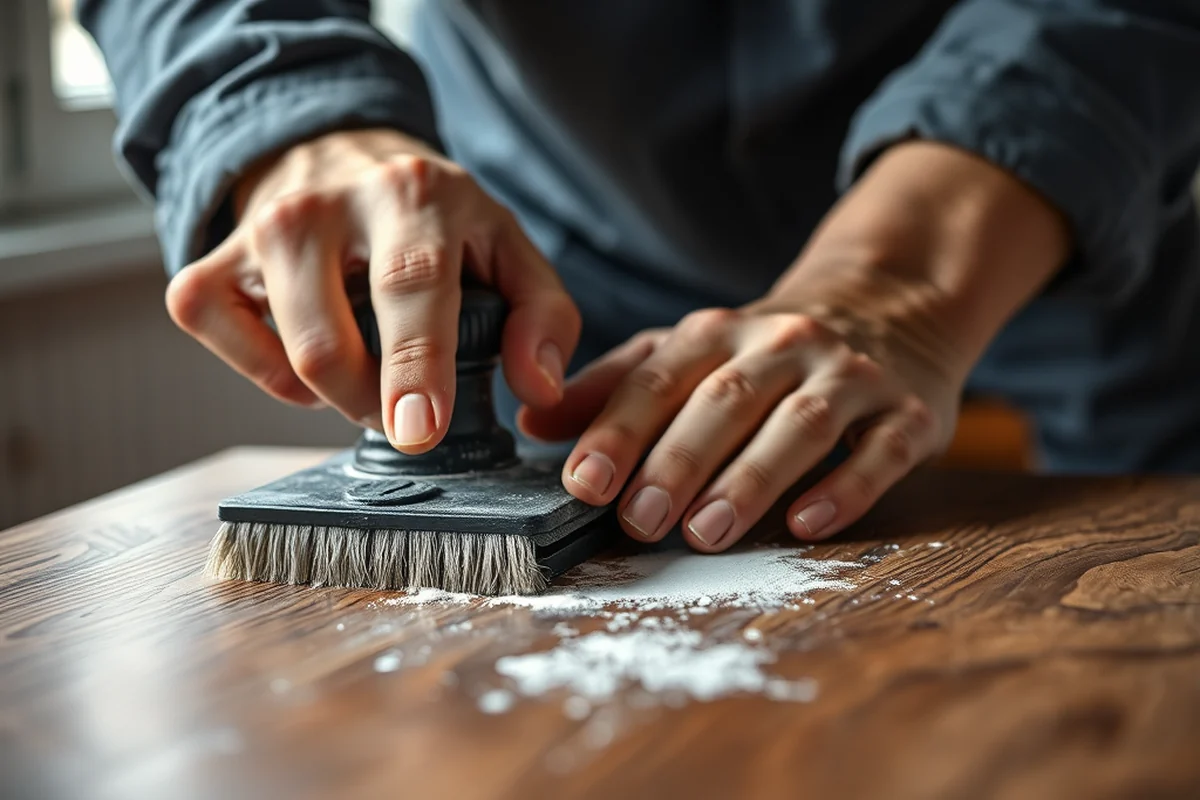
I once installed solid wood flooring in a client’s home, but it required a lot more preparation and care. The humidity levels in the home fluctuated, and the planks started to warp after a few months. In contrast, the engineered wood I installed in a different project didn’t show any signs of warping even after a year.
Engineered wood is also more forgiving with installation. The planks are easier to cut and fit together, and the adhesive used is typically more flexible. This means that it’s easier to install without leaving gaps or uneven areas.
In terms of cost, engineered wood flooring is often more affordable than solid wood. I’ve seen high-quality options for under $5 per square foot, which is a significant savings compared to solid wood, which can be $10 or more per square foot. (58 percent, epa.gov)[1]
Engineered wood: the smart choice for stability and style.
Related: Luxury vinyl flooring
Related: Best homemade hardwood floor cleaner
Related: How to best mop laminate floors
Related: Wood look vinyl plank flooring
Related: Diy floor cleaner
Installation Tips for a Professional Finish
I recommend starting by ensuring the subfloor is clean, level, and dry. Any moisture or unevenness can cause the planks to shift or gap over time. I once installed engineered wood flooring over a slightly uneven subfloor, and after a few months, the planks started to creak and shift. It was a costly fix, but it taught me the importance of a solid base.[2]
Using the correct tools can make a big difference. A tapping block and a pull bar are essential for aligning and spacing the planks. I’ve also found that using a fine-toothed saw for cutting the planks helps prevent splintering and ensures a cleaner cut.
Another tip is to acclimate the planks before installation. I’ve seen people skip this step, and it’s led to warping or cupping after the installation. I recommend leaving the planks in the room for at least 48 hours before installation to allow them to adjust to the humidity and temperature.
Leaving the planks in the room for at least 48 hours allows them to adjust to the environment, preventing warping or shifting after installation.
“I remember the first time I walked into a home with engineered wood flooring.”— Peel and Stick Wood Flooring editors
The Benefits of Engineered Wood Flooring
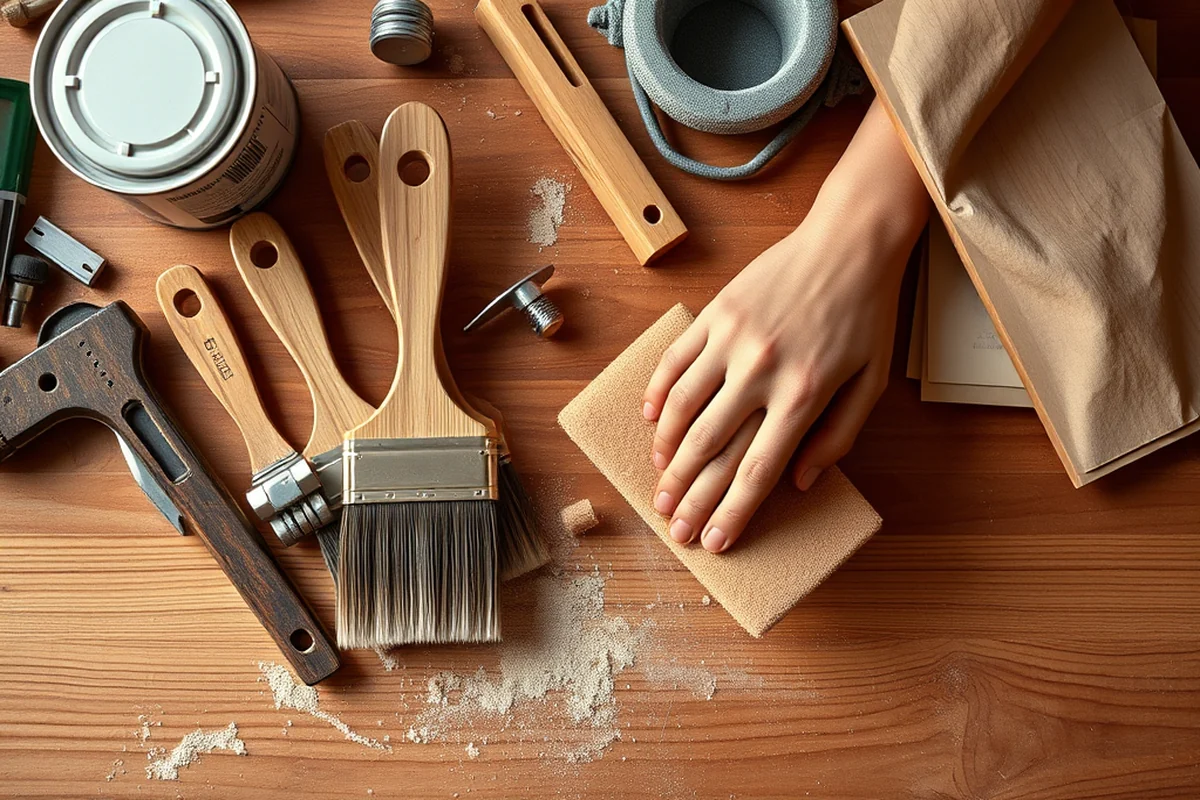
One of the biggest benefits I’ve noticed is its resistance to moisture. I once installed engineered wood flooring in a home with a leaky kitchen pipe, and even after the water damage was fixed, the flooring didn’t show any signs of mold or warping. That’s something I couldn’t have said about solid wood.
Another benefit is its ability to be refinished. Unlike laminate, which can’t be sanded or recoated, engineered wood can be sanded and stained to match the home’s decor. I’ve done this in a few projects, and the results have been impressive. It’s like giving the flooring a new life.
Engineered wood flooring also comes in a wide variety of styles, from traditional to modern. I’ve worked with clients who wanted a rustic look and others who preferred a sleek, contemporary finish. The options are endless, and the planks can be easily matched or contrasted depending on the design preferences.
Common Mistakes to Avoid
One of the most common mistakes I see is not using the right adhesive or not following the manufacturer’s instructions. I once had a client who used a glue that wasn’t recommended by the manufacturer, and the planks started to lift after a few months. It was a frustrating and expensive fix.
Another mistake is not leaving enough expansion space around the edges of the room. I’ve seen several installations where the planks were installed without leaving at least 1/4 inch of space around the perimeter. As the wood adjusted to the environment, the planks buckled and warped.
Some people also skip using the tapping block during installation, which can lead to damaged edges or misaligned planks. I’ve had to replace several planks because of this mistake, so it’s worth investing in the right tools.
Engineered Wood in High-Traffic Areas
I once installed engineered wood flooring in a client’s home with a large family, and even after two years, the flooring still looked brand new. The planks were slightly worn in the high-traffic areas, but not damaged. That’s a testament to the product’s durability.
Another advantage is that it can handle frequent cleaning without showing signs of wear. I’ve used a steam mop on several installations, and the planks have held up well. The only thing I recommend is avoiding excessive water or moisture, which can still cause issues over time.
I’ve also noticed that engineered wood flooring is less likely to scratch or dent compared to laminate, especially in homes with pets or small children. The surface is harder and more resistant to damage, making it a practical choice for households with active lifestyles.
Engineered wood: tough enough for the busiest homes.
Sustainability and Longevity
One of the things I love about engineered wood is its sustainability. The top layer is real wood, but the core is made from recycled materials in some cases. This means that it’s a more eco-friendly option compared to solid wood, which requires cutting down entire trees.
Another benefit is that it can be refinished and reused multiple times. I’ve seen homes where the flooring has been sanded and stained multiple times, and it still looks great. This makes it a long-term investment that can be updated as the home’s style changes.
I’ve also found that engineered wood flooring is a great option for homes looking to reduce their environmental impact. The production process is less resource-intensive, and the material is more likely to be recycled at the end of its life. It’s a win for both the homeowner and the planet.
💰 Budget Build
Choose lower-cost planks and install them yourself to keep the project affordable.
⏰ Weekend Version
Use pre-finished planks and install them over the course of a single weekend.
✨ Upgraded Finish
Opt for a high-gloss or natural finish for a more luxurious look and feel.
🏠 Small-Space Adaptation
Use narrow planks or a light color to make small spaces feel more open and airy.
🔑 Rental-Safe Option
Choose planks that are easy to remove and reinstall without damaging the subfloor.
| The mistake | Why it happens | The fix |
|---|---|---|
| Not using the right adhesive | Using the wrong adhesive can lead to lifting or warping of the planks over time. | Always use the adhesive recommended by the manufacturer and follow the installation instructions carefully. |
| Skipping the acclimation period | Failing to acclimate the planks can cause them to warp or shift after installation. | Allow the planks to sit in the room for at least 48 hours before installation to adjust to the environment. |
| Not leaving enough expansion space | Failing to leave enough space around the edges can cause the planks to buckle and warp. | Always leave at least 1/4 inch of space around the perimeter of the room. |
| Using the wrong tools | Using the wrong tools can lead to damaged edges or misaligned planks. | Use a tapping block and pull bar to ensure proper alignment and spacing. |
Engineered Wood Flooring
Common Questions
Can I install engineered wood flooring over existing flooring?
How long does engineered wood flooring last?
Can I use a steam mop on engineered wood flooring?
What is the best way to clean engineered wood flooring?
References
- Economic Impact Analysis of the Plywood and Composite Wood ... (epa.gov)
- Properties of engineered wood flooring with cold-pressing and ... (bioresources.cnr.ncsu.edu)
Cite this guide
Peel and Stick Wood Flooring (2026). Engineered Wood Flooring. https://peelandplank.com/engineered-wood-flooring/
Feel free to cite or share this guide.