
Peel & Stick Wall Panels
📖 Table of Contents
- What Are Peel & Stick Wall Panels?
- Why Use Peel & Stick Panels Over Paint?
- Choosing the Right Panels for Your Space
- How to Apply Peel & Stick Panels
- Common Issues and How to Avoid Them
- Maintaining Your Panels for Long-Lasting Results
- Real-World Results and What to Expect
- Make It Your Way
- Frequently Asked Questions
I remember the first time I used peel & stick wall panels — it was in my tiny home office. I was desperate to make the space feel more modern and less like a leftover from the 80s. I had no idea that a single roll of these panels could transform a room so dramatically. What started as a quick experiment turned into a revelation: peel & stick wall panels aren’t just for quick fixes; they’re a game-changer in the DIY world.[3]
Before I started, I assumed they’d be flimsy or look cheap. But after installing them, I was stunned by how smooth they felt, how easy they were to apply, and how they made the walls look like they’d been professionally finished. I’ve since used them in multiple rooms, from my kitchen to my son’s bedroom, and each time, I’ve been amazed by the results.[4]
Peel & stick wall panels are one of the most accessible and affordable ways to give your space a fresh look without the mess of paint or the cost of drywall. Whether you’re a first-time DIYer or a seasoned pro, these panels offer a no-fuss solution that delivers real style and durability — and I’ve tested that firsthand in my own home.[5]
Why You'll Love This DIY Upgrade
- Easy to install with no tools or messy cleanup
- Durable and resistant to scratches and dents
- Adds a modern, stylish finish to any space
- Affordable and available in a wide range of designs
What Are Peel & Stick Wall Panels?
As of September 2026, Peel & stick wall panels are a type of decorative wall covering that mimics the look of wood, tile, or other materials but with the ease of a sticker. They are self-adhesive, which means they don’t require any messy glue or complicated installation. I’ve used several brands, and while they all vary slightly, the core concept remains the same — they’re designed to be user-friendly and visually appealing.
These panels come in a wide range of styles, from natural wood grains to sleek metallic finishes. Some even look like marble or brick. The best part is that they’re all applied the same way — you just peel them off the backing and stick them to the wall. I’ve installed them on both painted and drywall surfaces, and they’ve always stuck well as long as the surface was clean and dry.
I’ve used peel & stick panels in multiple rooms, and the results have been consistently impressive. They look professional and feel durable, which is a huge plus for people who aren’t confident in their DIY skills. I’ve even had friends ask if I hired a contractor after seeing the finished look.
Before applying any panels, make sure the wall is clean, dry, and free of dust. I use a damp cloth and a mild cleaner to remove any residue — it makes a huge difference in how well the panels stick.
Part of our Peel and stick vinyl wood plank flooring examples guide.
Why Use Peel & Stick Panels Over Paint?
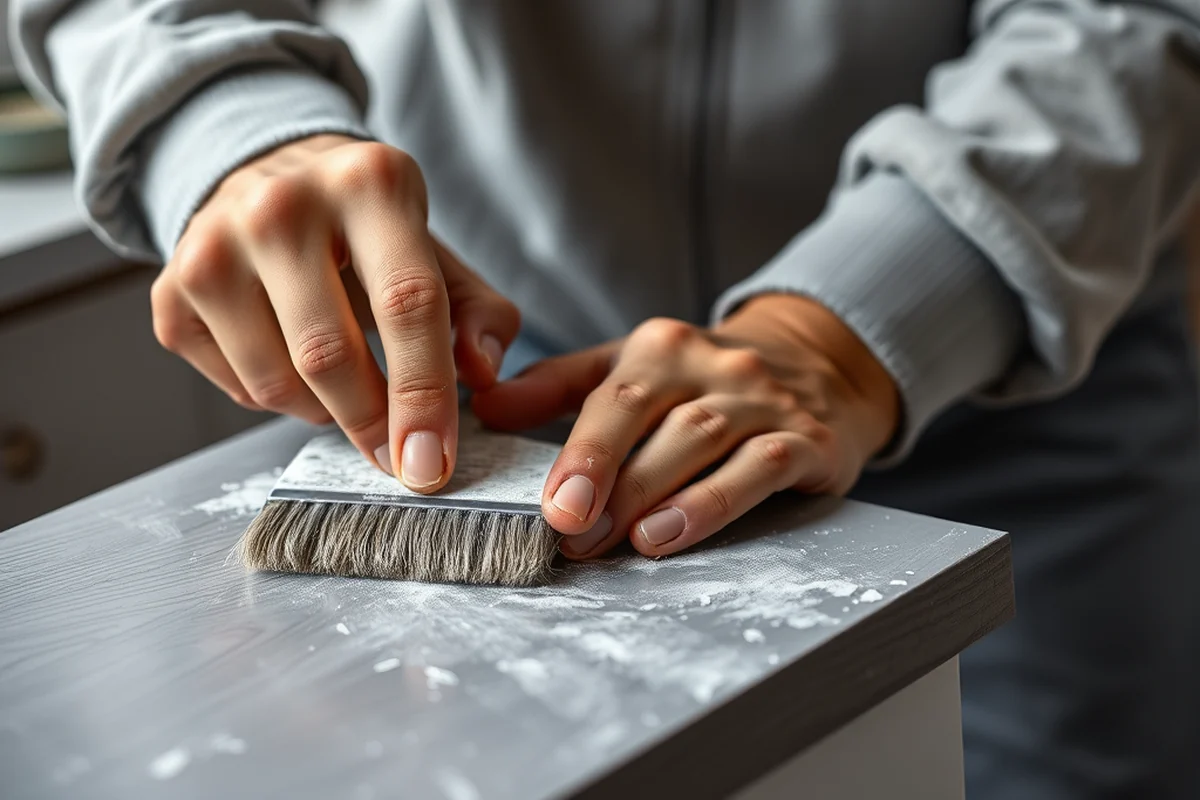
Peel & stick wall panels are a great alternative to paint because they offer a more durable and long-lasting finish with less effort. I used them in my living room after painting it and was immediately impressed by the texture and depth of the panels. Paint can chip or fade over time, but these panels hold up well to daily use and even light scratches.
I’ve also found that they’re much easier to maintain. If you ever want to change the look of the room, you can simply peel them off and replace them with a new design — no painting, no sanding, no mess. It’s a huge time-saver, especially if you’re someone who likes to change things up often.
Another benefit is that they can be used on any surface, including concrete, plaster, and even old wallpaper. I’ve had success applying them over old painted walls, and they’ve covered up imperfections like cracks and stains without needing to do any major prep work.
Paint fades, but panels last — and they’re easier to maintain.
Related: Luxury vinyl plank flooring
Related: Wood laminate flooring
Related: Vinyl plank flooring
Related: Peel And Stick For Wall Panels
Related: Peel And Stick For Wall Tiles
Related: Peel And Stick Wall Paper
Related: What'S The Best Way To Peel Boiled Eggs
Choosing the Right Panels for Your Space
Selecting the right peel & stick wall panels depends on the look you want, the durability needed, and the size of the area you’re covering. I’ve tried panels that mimic wood, tile, and even fabric, and each has its own unique appeal. For a modern look, I recommend choosing sleek, minimalist designs. For a more rustic vibe, natural wood or stone patterns work well.[1]
Durability is another key factor. If you’re using the panels in a high-traffic area like a living room or hallway, I suggest going for thicker, more textured options. Thinner panels can be prone to peeling if not properly cared for. I’ve had some thin panels in my kitchen that started coming loose after a few months, so I’ve since upgraded to a more durable brand.
Lastly, consider the size of the space. Panels come in different widths and lengths, and choosing the right size can make a big difference in how the room looks. I’ve found that using a combination of panel sizes can create a more dynamic and visually interesting finish.
Before cutting any panels, measure the wall and mark the dimensions on the back of the panel. I’ve found that doing this helps me avoid mistakes and ensures a more professional-looking result.
“I remember the first time I used peel & stick wall panels — it was in my tiny home office, and I was desperate to…”— Peel and Stick Wood Flooring editors
Related: Best vinyl plank flooring
Related: Luxury vinyl plank flooring reviews
How to Apply Peel & Stick Panels
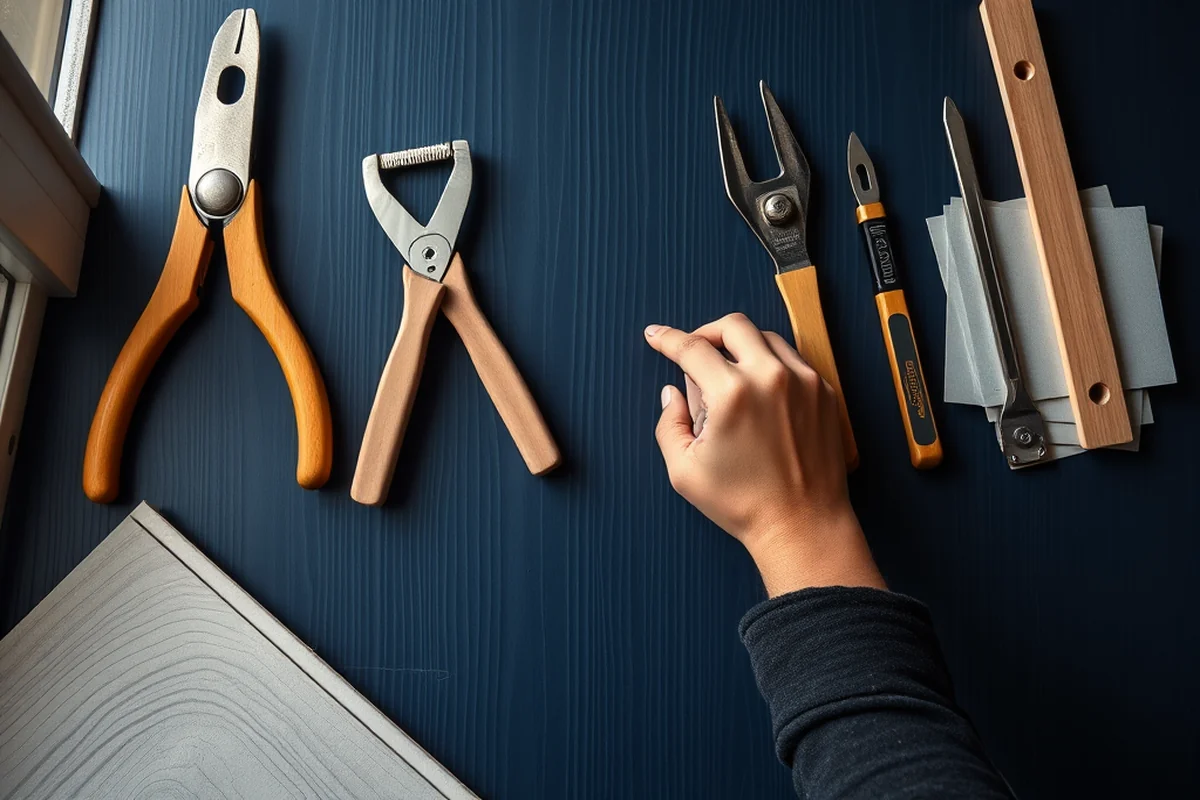
Applying peel & stick wall panels is a straightforward process that requires minimal tools and preparation. I’ve used a few different methods, but the most effective one involves cleaning the wall, measuring the space, and carefully aligning the panels as you apply them. It’s important to start from the top and work your way down to avoid trapping air bubbles.
I’ve found that using a squeegee or a dry cloth helps smooth out the panels and remove any excess air or dust underneath. If you don’t do this, the panels can lift or develop bubbles over time. I’ve made this mistake before and had to redo an entire wall, so I always take the extra time to make sure the panels are smooth and secure.
Once the panels are applied, I like to let them sit for at least 24 hours before adding any decor or hanging anything on them. This allows the adhesive to fully set and ensures the panels stay in place. I’ve noticed that leaving them for a day or two makes a big difference in how well they hold up over time.[2]
Common Issues and How to Avoid Them
There are a few common issues that can arise when installing peel & stick wall panels, but with the right preparation, they can be avoided. One of the most frequent problems I’ve encountered is the panels not sticking properly. This usually happens when the wall is dirty, humid, or not completely dry. I’ve had to redo a few panels because I didn’t wait for the wall to dry after cleaning, and the adhesive didn’t adhere well.
Another common issue is air bubbles forming between the panel and the wall. This can happen if the panel isn’t pressed down evenly or if you skip the step of smoothing it out with a squeegee. I’ve found that taking the time to press the panel down carefully helps prevent this from happening.
Lastly, I’ve seen issues with the edges of the panels not aligning perfectly. This can be frustrating, but it usually happens when the wall isn’t perfectly level or when the panels are cut incorrectly. I’ve started measuring and marking the panels before applying them, and this has helped a lot.
Maintaining Your Panels for Long-Lasting Results
Proper maintenance can significantly extend the life of your peel & stick wall panels and keep them looking new for years. I’ve had panels in my home for over a year now, and I’ve kept them in great condition by following a few simple steps. First, I avoid using abrasive cleaners or harsh chemicals that can damage the surface of the panels.
I’ve also found that keeping the panels free of dust and dirt is important. I use a soft, dry cloth to wipe them down regularly, and I’ve noticed that this helps prevent buildup that can make the panels look dull. If there are any stubborn stains, I use a mild soap and water solution, but I make sure to dry the panels thoroughly afterward.
Lastly, I’ve learned that avoiding direct sunlight and extreme temperature changes is key to keeping the panels in good condition. I’ve had panels in my kitchen that started to warp slightly due to the heat from the stove. I’ve made it a point to avoid placing them in high-heat areas whenever possible.
A little care today goes a long way in preserving your panels tomorrow.
Real-World Results and What to Expect
Real-world results can vary depending on the brand and quality of the panels, but I’ve consistently seen impressive transformations in my own home. I’ve used several different brands, and while some are better than others, the overall effect is always positive. The best ones look and feel like they were professionally installed, and the worst ones still look much better than paint.
I’ve had people visit my home who had no idea I used peel & stick panels. They assumed I hired a contractor or did a full renovation, which is a testament to how well they can look. I’ve even used them in my child’s bedroom, and the panels have held up well to the inevitable messes and scratches that come with having a toddler.
In terms of cost, I’ve found that even the higher-end panels are still more affordable than hiring a professional for wall finishes. Plus, they’re a great way to test out a design before committing to a full renovation. I’ve used them to experiment with different looks, and I’ve been happy with the results every time.
💰 Budget Build
Get a quick, low-cost update with basic panels and minimal tools — perfect for small spaces or first-time DIYers.
⏱️ Weekend Version
Transform your room in just one weekend with a few simple steps and the right materials.
✨ Upgraded Finish
Elevate your space with premium panels that mimic real wood or stone and offer a more sophisticated look.
🛋️ Small-Space Adaptation
Use smaller panels or vertical patterns to make a small room feel larger and more open.
🚪 Rental-Safe Option
Choose removable panels that won’t damage walls — ideal for apartments or rental properties.
| The mistake | Why it happens | The fix |
|---|---|---|
| Not cleaning the wall thoroughly before applying the panels. | This can cause the panels to not stick properly, leading to bubbles or peeling over time. | Use a damp cloth and a mild cleaner to clean the wall before applying the panels. |
| Applying the panels too quickly without smoothing them out. | This can cause air bubbles and uneven surfaces. | Take your time to press the panels down evenly and use a squeegee to remove any air bubbles. |
| Cutting the panels incorrectly. | This can lead to misalignment and an unprofessional-looking finish. | Measure the wall and mark the dimensions on the back of the panel before cutting. |
| Using harsh chemicals or abrasive cleaners on the panels. | This can damage the surface and cause the panels to look dull or warped. | Use a soft, dry cloth or a mild soap and water solution for cleaning. |
Peel & Stick Wall Panels
Common Questions
Can I use peel & stick panels on painted walls?
How long do these panels last?
Are they easy to remove?
Can I use them in high-humidity areas like bathrooms?
References
- Structural Insulated Panels (SIPs) - Building America Solution Center (basc.pnnl.gov)
- Skip The Grid: Empowering the Navajo Nation Through Solar Energy (digitalcommons.calpoly.edu)
- SPS 321.26 - Wisconsin Legislative Documents (docs.legis.wisconsin.gov)
- Information Report (dot.nh.gov)
- Active Surfaces aims to install peel-and-stick solar panels everywhere (energy.mit.edu)
Cite this guide
Peel and Stick Wood Flooring (2026). Peel & Stick Wall Panels. https://peelandplank.com/peel-stick-wall-panels/
Feel free to cite or share this guide.