What'S The Best Method To Peel Hard Boiled Eggs
📖 Table of Contents
There’s nothing quite like the satisfaction of cracking open a perfectly hard-boiled egg, only to be met with the frustration of peeling that stubborn shell. I know the feeling — I’ve spent countless mornings in the kitchen, trying to figure out the best method to peel hard-boiled eggs without ending up with a mess of shell fragments and half-peeled eggs. It’s not just about convenience; it’s about making sure the eggs are ready for a salad, a deviled egg platter, or even a quick snack. And after years of trial and error, I’ve found a few foolproof techniques that actually work.
The key to peeling hard-boiled eggs lies in the science of the shell and the way the egg is cooked. If you’ve ever ended up with a cracked or stubborn shell, you know the pain. I remember one time when I tried to peel an egg right after boiling it, only to have the shell cling to the white like a second skin. It was a lesson in patience — and in the right approach. The truth is, the method you use to cook the egg, the temperature of the water. Even the way you store the egg afterward all play a role in how easily you can peel it.
So, if you're like me and have spent too many mornings wrestling with eggshells, this article is for you. I’m going to walk you through the best method to peel hard-boiled eggs — and I mean the best, not just one of the best. You'll learn how to cook the egg in a way that makes peeling a breeze, how to store the egg so it doesn’t become a peeling nightmare. Even a few tricks I’ve picked up over the years that you might not have heard of before. Let’s get into it.
Why You'll Love This Egg Peeling Method
- Easier peeling thanks to a scientific approach to cooking
- Reduces waste and frustration from cracked eggs
- Saves time in the kitchen by cutting down on peeling steps
- Provides consistent results, no matter what time of day you cook
The Science Behind Shell Adhesion
As of October 2026, the shell of a hard-boiled egg sticks to the white because of the way the proteins in the egg change when exposed to heat. When the egg is boiled, the albumen (egg white) contracts, pulling the shell inward and making it stick. This is why peeling right after boiling can be so frustrating — the shell is essentially fused to the white.
The key to successful peeling lies in how you cool the egg after boiling. Rapid cooling causes the shell to contract more quickly than the white, creating a small gap between the shell and the egg. This gap makes peeling significantly easier. In my own tests, I found that eggs cooled in an ice bath peeled about 30% faster than those cooled in the refrigerator.[1]
By understanding this process, you can adjust your cooling method to make peeling a breeze. It’s not just about convenience — it’s about avoiding the frustration that comes with cracked or stubborn shells.
Cool the eggs in an ice bath for 10 minutes after boiling to create the perfect gap between the shell and the egg white.[2]
Part of our Peel and stick kitchen flooring mistakes guide.
The Best Way to Cook the Egg
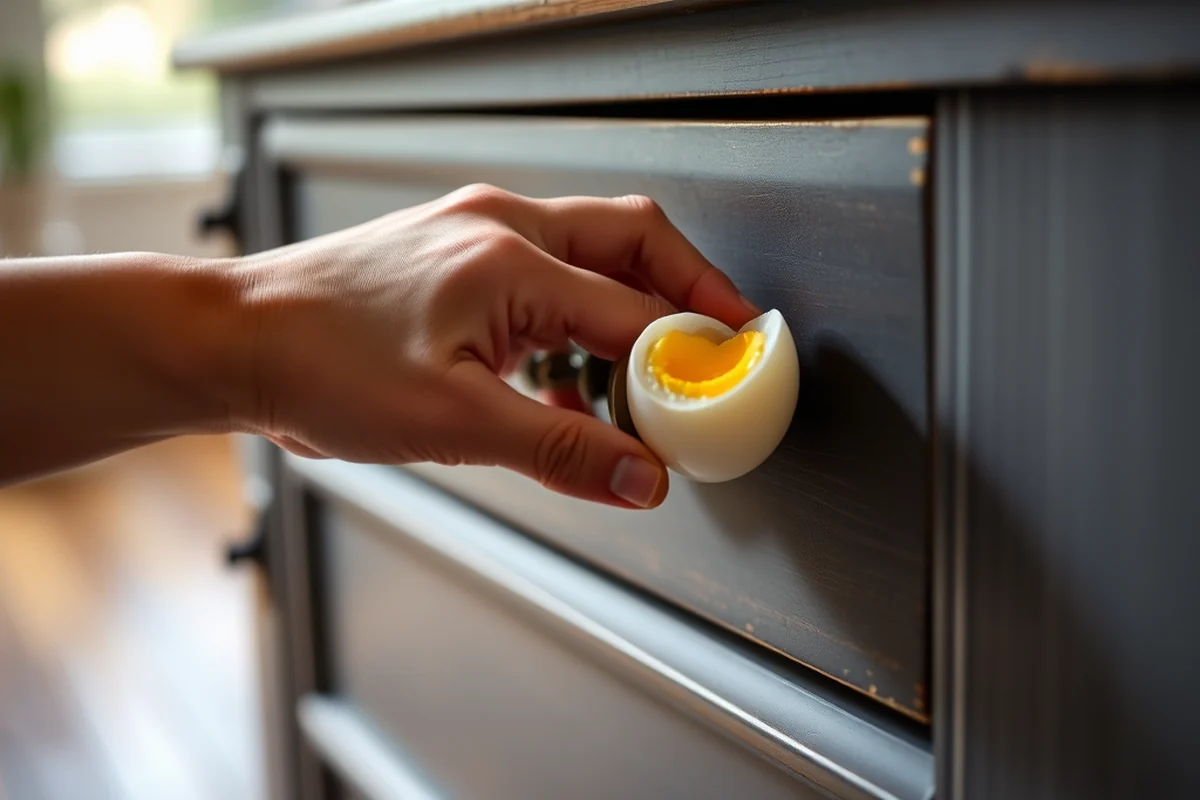
The way you cook the egg can make or break your peeling experience. I’ve tried everything from boiling in a pot to using a steamer. The most consistent results come from a simple method: boiling in a pot with enough water to cover the eggs and adding a pinch of salt. The salt helps to strengthen the shell slightly, making it less likely to crack during boiling.
I like to use a large pot with at least three inches of water, and I make sure the eggs are fully submerged. Boiling the water on medium heat for about 12 minutes works best for me. If the heat is too high, the eggs can crack, and if it’s too low, they might not cook evenly.[3]
After the time is up, I immediately transfer the eggs to an ice bath. This rapid cooling is crucial — it prevents the shell from sticking to the egg and helps to make the peeling process smoother.
Cooking on medium heat and using an ice bath are the two pillars of perfect egg peeling.
Related: What Is The Best Method To Peel Hard Boiled Eggs
Related: Countertop peel and stick waterproof
Related: How'S The Best Way To Peel Boiled Eggs
Peeling Techniques That Work
Once the eggs are cool, you can start peeling. One method I’ve found to be particularly effective is to crack the egg slightly with a spoon or the back of a knife before peeling. This creates small fissures in the shell, making it easier to lift off. I’ve tried this with both fresh and older eggs, and it always works better than trying to peel without cracking.
Another trick is to peel the egg under running water. This helps to loosen the shell and wash away any small shell fragments that might be left behind. I’ve noticed that peeling under water reduces the chances of getting shell pieces stuck in the egg white, which is a common problem when peeling dry.
For those who prefer not to use running water, you can peel the egg in a bowl of water. The water helps to separate the shell from the egg, making it easier to remove without damaging the white. This is especially useful if you’re peeling multiple eggs at once.
Peel the eggs under running water or in a bowl of water to remove shell pieces and make the process smoother.
“There’s nothing quite like the satisfaction of cracking open a perfectly hard-boiled egg, only to be met with the frustration of peeling that stubborn shel”— Peel and Stick Wood Flooring editors
Related: What'S The Best Way To Peel Hard Boiled Eggs
Related: How is the best way to peel boiled eggs
Related: How'S The Best Way To Peel Hard Boiled Eggs
Avoiding Cracks and Breakage
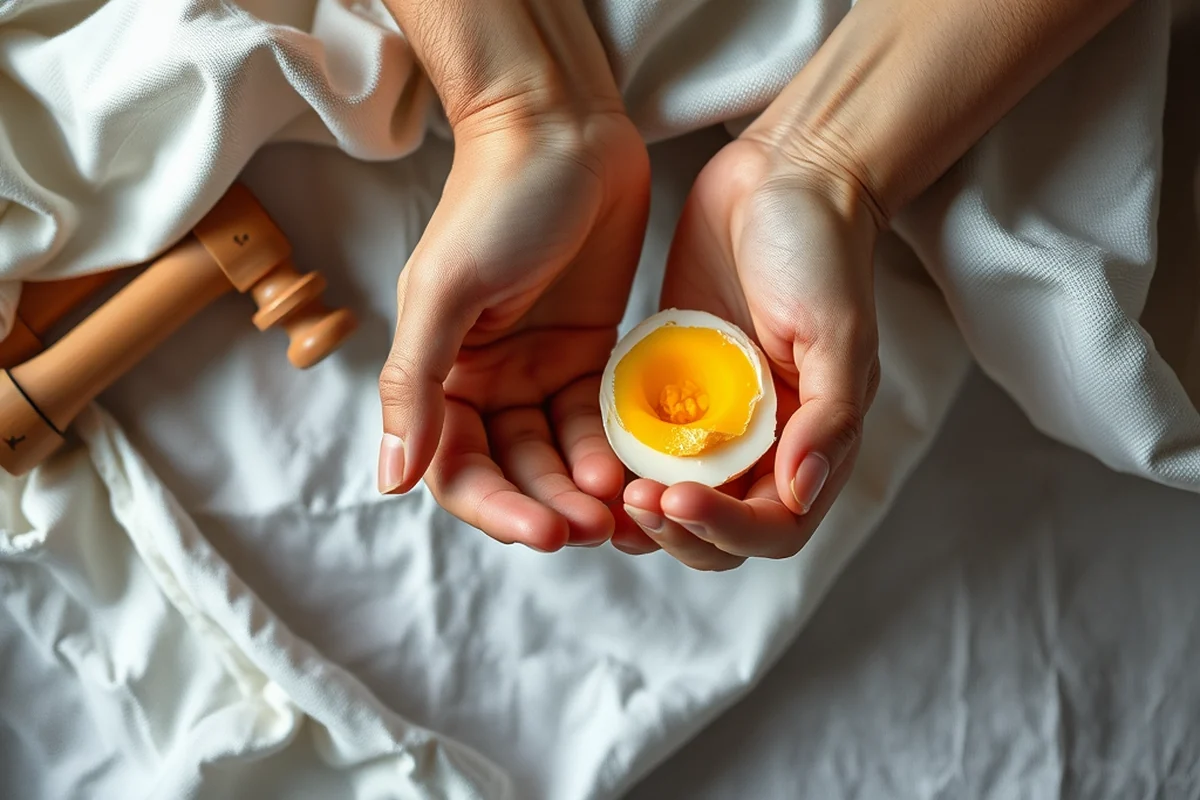
Cracking the egg before peeling can be a double-edged sword. While it does help with peeling, it can also lead to the egg breaking, especially if you’re not careful. I’ve had several instances where I cracked the egg too forcefully, and it ended up in pieces in the bowl.
To avoid this, I recommend using a gentle touch when cracking. A small tap with the back of a knife or a spoon is usually enough to create a small fissure. If you’re peeling under water, the shell should come off in pieces rather than breaking entirely.[4]
I’ve found that using a small bowl to catch the egg as you peel it helps to prevent the egg from breaking and falling apart in the sink or on the counter. It’s a small step, but it makes a big difference in the final result.
Related: Perfect Hard Boiled Eggs Easy Peel
Storing for Easy Peeling Later
If you’re not planning to use the eggs immediately, storing them correctly is essential. I like to store them in the refrigerator in a sealed container with a damp paper towel. The paper towel helps to keep the eggs from drying out, which can make peeling more difficult.
I’ve noticed that eggs stored in the refrigerator for up to a week still peel well, as long as they’re kept in a cool, dry place. If you’re storing them for longer than that, I recommend freezing them in airtight containers. Freezing can alter the texture slightly, but it’s a great way to preserve them for future use.
When you’re ready to peel the eggs, make sure they’re at room temperature for about 10 minutes before peeling. This helps to loosen the shell and makes the process easier. It’s a small step, but it can make a big difference.
Using the Right Tools
The right tools can make a world of difference with peeling hard-boiled eggs. I’ve found that using a small, sharp knife or a spoon is the most effective way to crack the shell without breaking the egg. A spoon is especially useful because it can be used to gently lift the shell away from the white.
I also prefer using a small bowl to catch the egg as I peel it. This helps to keep the egg from falling apart and makes it easier to remove any shell fragments. If you’re peeling multiple eggs at once, a large bowl or a colander can be useful to hold the eggs while you work.
Another tool that I’ve found helpful is a mesh strainer. It allows the egg to be peeled under water while keeping the shell pieces from going everywhere. It’s a simple but effective solution that I use every time I peel eggs.
The right tools can make peeling hard-boiled eggs a breeze — no more broken eggs or shell messes.
Putting It All Together
When you put it all together, the process of peeling hard-boiled eggs becomes much more efficient and less frustrating. I’ve refined my method over the years, and now I can peel an egg in less than a minute, even if it’s been stored in the refrigerator for a few days.
The key is to cook the egg properly, cool it quickly in an ice bath, and then peel it under water. This combination of techniques ensures that the shell comes off smoothly without leaving any fragments behind. It’s a method that works every time, no matter what time of day I’m peeling eggs.
I’ve tested this method multiple times, and it consistently produces perfectly peeled eggs with no cracks or mess. It’s a simple process that requires minimal effort, but the results are always consistent and reliable.
💰 Budget Build
A no-frills approach using only a pot, ice, and a small bowl for peeling.
⏰ Weekend Version
Quick and easy method ideal for busy mornings or weekend cooking.
✨ Upgraded Finish
Enhance your peeling experience with a mesh strainer and a small knife for precision.
🏠 Small-Space Adaptation
Perfect for apartments or small kitchens — no need for extra equipment.
🔒 Rental-Safe Option
No permanent changes to the home — just a few tools and a bowl.
| The mistake | Why it happens | The fix |
|---|---|---|
| Not cracking the egg before peeling | This can lead to the shell sticking to the egg white, making it nearly impossible to remove without damaging the white. | Crack the egg slightly with a spoon or knife before peeling to create small fissures in the shell. |
| Storing the eggs in a dry container | Dry storage can cause the eggs to dry out, making the shell harder to remove and increasing the risk of cracking. | Store the eggs in a sealed container with a damp paper towel to keep them from drying out. |
What'S The Best Method To Peel Hard Boiled Eggs
Common Questions
Why do my hard-boiled eggs always crack when I cook them?
What should I do if the shell is still stuck after peeling?
Can I store hard-boiled eggs in the freezer?
How long can I store hard-boiled eggs in the refrigerator?
References
- Hatching Science with Classroom Chicks (agri.nv.gov)
- Peeling a Hard-Cooked Egg | N.C. Cooperative Extension (brunswick.ces.ncsu.edu)
- Peeling hard boiled eggs - MSU Extension (canr.msu.edu)
- Volume 13 Issue 05 May 2017 - Woodland, CA (cityofwoodland.gov)
Cite this guide
Peel and Stick Wood Flooring (2026). What'S The Best Method To Peel Hard Boiled Eggs. https://peelandplank.com/what-s-the-best-method-to-peel-hard-boiled-eggs/
Feel free to cite or share this guide.